
Zcash vs. Bitcoin: The Privacy Coin Dilemma and Its Impact on the Crypto Ecosystem
 By John Nada·Nov 23, 2025·4 min read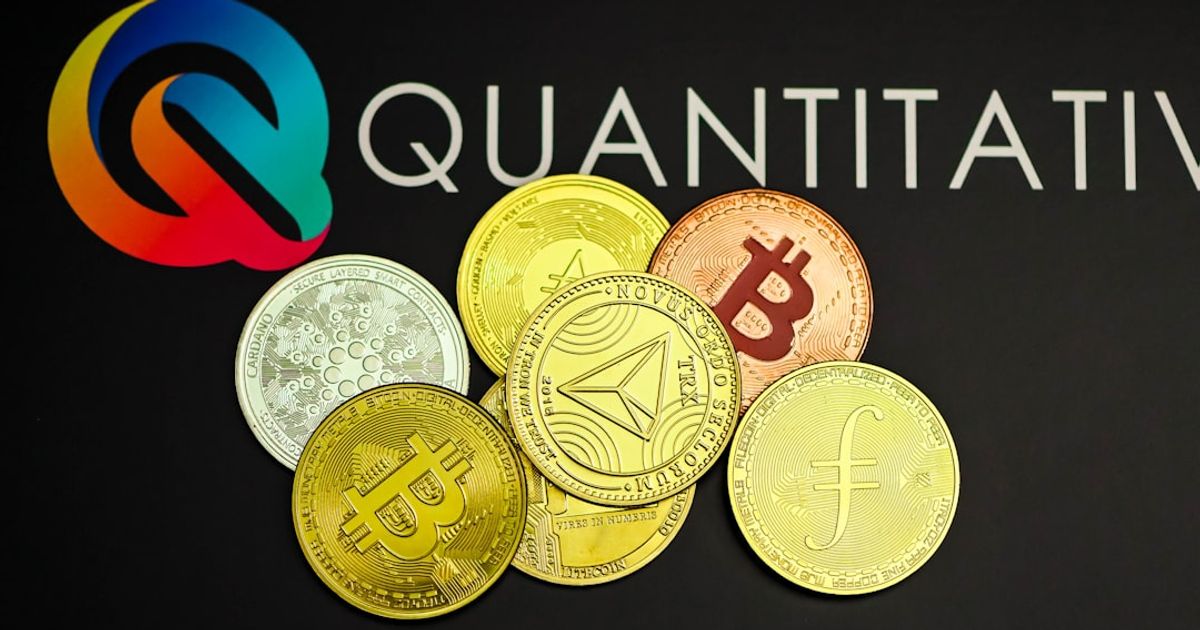
The emergence of Zcash poses a complex challenge to Bitcoin's narrative, raising critical questions about privacy, regulation, and the future of cryptocurrency culture.
The Battle for Crypto's Soul
In the ever-evolving landscape of cryptocurrency, tensions often arise as new projects challenge the dominance of legacy coins. Recently, Zcash, a privacy coin known for its focus on user anonymity, has emerged as a controversial figure. Critics, including Bloomberg's ETF analyst Eric Balchunas, suggest that Zcash could potentially dilute the political and cultural support for Bitcoin by splitting the so-called "vote" among crypto enthusiasts. With Bitcoin being the trailblazer of this digital revolution, the stakes are higher than ever.
Zcash was launched in 2016 as a fork of Bitcoin. It introduced advanced cryptographic techniques that allow users to shield their transactions from public scrutiny. This, however, has led to heated debates about its value proposition compared to Bitcoin. Strong proponents argue that privacy coins like Zcash are vital for maintaining financial sovereignty in an age of increasing surveillance and state control. Others, including Balchunas, speculate that the hype surrounding Zcash could mislead investors about the inherent value of Bitcoin.
To fully grasp the implications of this debate, it’s essential to consider Bitcoin’s position as the first and most recognized cryptocurrency. For many, Bitcoin represents not only financial freedom but also a cultural movement aimed at decentralization and transparency. Zcash, while revolutionary in its right, might be seen as a competing narrative that threatens to flood the market with alternatives that could confuse newcomers. In this delicate ecosystem, anything that detracts from Bitcoin’s narrative could potentially undermine its long-standing appeal.
Furthermore, the arrival of institutional investors has changed the dynamics of crypto markets. As major companies and funds begin to explore Bitcoin as a legitimate asset class, they may become wary of supporting a diversified portfolio that includes privacy-focused coins like Zcash. This is primarily due to regulatory concerns and potential backlash against anonymity in transactions.
Market analysts point out that the regulatory landscape is already evolving rapidly. Policymakers across the globe are increasingly scrutinizing cryptocurrencies, often with a keen eye on privacy coins. As governments seek to clamp down on illicit activities, projects that prioritize anonymity may find themselves held in suspicion. This could lead to a chilling effect on Zcash’s adoption among mainstream investors who don’t want to navigate a complex regulatory minefield.
Yet, the narrative is not entirely bleak for Zcash. The coin’s robust technology and commitment to privacy can also appeal to a segment of the crypto community that values anonymity above all else. This need for secure, untraceable transactions could flourish in regions with oppressive regimes or where financial privacy is paramount. In these contexts, Zcash may not be a threat to Bitcoin but rather an ally that enhances the overall narrative of financial freedom.
This brings us to an important juncture: As Zcash attempts to carve out its niche, it raises questions about how we define value within the cryptocurrency space. Is it merely about market price, or does it extend to the underlying principles and philosophies behind each project? The answer may determine whether Zcash can coexist alongside Bitcoin or if it poses a significant risk to Bitcoin's dominance.
As the discussion around Zcash intensifies, the crypto community faces a pivotal moment. How will it navigate the challenge of supporting diverse projects while solidifying Bitcoin's foundational narrative? The answer to this question will likely shape the future of decentralized finance and the broader crypto landscape.
Conclusion
The relationship between Zcash and Bitcoin is a microcosm of the broader tensions in the cryptocurrency world. As new coins emerge, the question remains: will they enhance or hinder the battle for mainstream acceptance? The answer could be crucial for the future of decentralized finance and user privacy in the digital age.