Trump's Bond Purchases and the Potential Fed Shift Under Warsh
 By John Nada·May 2, 2026·4 min read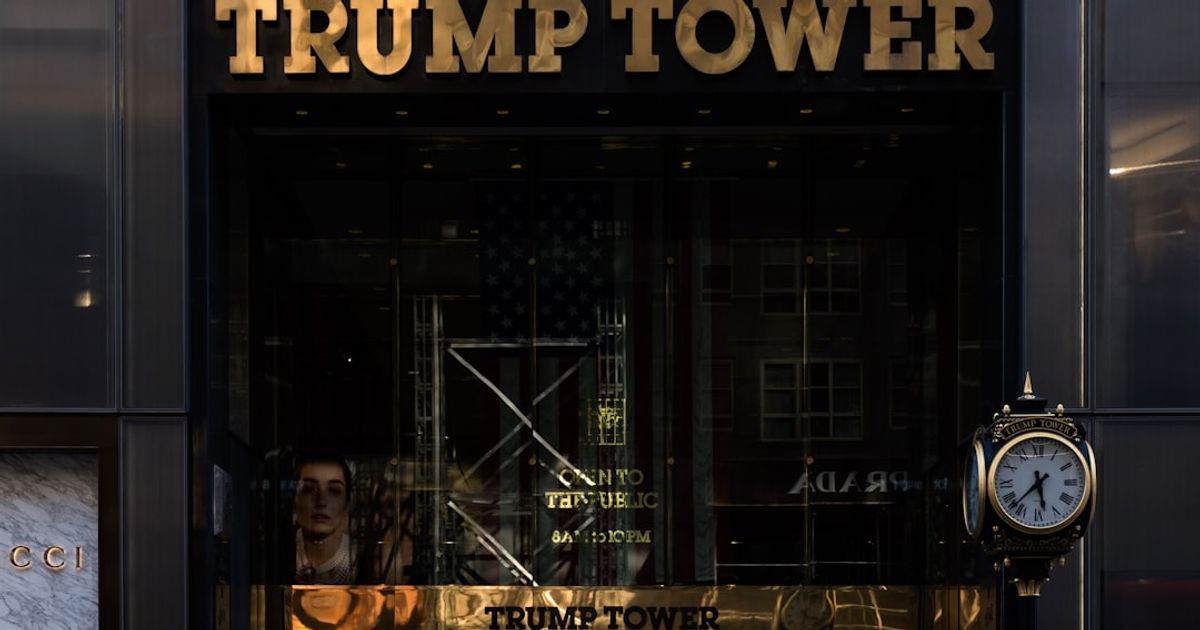
President Trump's bond acquisitions raise questions about conflicts of interest and hint at potential shifts in Fed policy under Kevin Warsh, his expected nominee.
President Trump has made significant moves in the bond market, quietly acquiring up to $337 million in corporate and municipal bonds since returning to office in 2025. In just March, he reportedly executed 175 financial transactions, primarily involving bonds from states, counties, and public agencies, according to disclosures from the Office of Government Ethics. This shift in investment strategy raises questions about potential conflicts of interest, particularly as some of these bonds are in sectors likely to benefit from his policy decisions.
Trump's bond portfolio includes notable acquisitions such as Intel bonds, linked to a federal government decision to buy a stake in the chipmaker. Additional investments include up to $2 million in bonds from Netflix and Warner Bros. Discovery, shortly after their merger announcement, which could suggest an alignment between his financial interests and the media sector's future under his administration. While these transactions are not illegal, the White House claims these investments are managed by independent financial institutions, aiming to mitigate concerns over conflicts of interest.
The implications of these bond purchases intersect with Trump's expected nomination of Kevin Warsh as the new Federal Reserve chair, a role that could significantly influence monetary policy. Warsh, who has been critical of the Fed's current approach, is seen as a hawkish candidate advocating for tighter monetary controls. He has expressed a desire for 'regime change' within the Fed, including altering how inflation is measured. However, Warsh's position may be complicated by ongoing pressures from Trump to cut interest rates, especially as inflation concerns persist amid global economic challenges.
Under Trump's leadership, there is a clear strategic alignment between his bond purchases and sectors poised for growth under his administration. The current economic landscape, characterized by rising inflation and geopolitical tensions, makes the intersection of political decisions and financial markets all the more pertinent. Trump's bond activities not only reflect personal investment interests but also signal a potential roadmap for how he may influence economic policies that impact the bond market further.
Stablecoin Market Shrinks $10B Since May — Analysts Stay Calm
Stablecoins lose $10B since May, yet analysts aren't worried.
Trump's approach to bond investments has drawn comparisons to his earlier term, where he was less focused on such financial maneuvers. Now, his investments come at a time of heightened scrutiny regarding conflicts of interest, particularly given the sectors involved. The acquisitions from companies like Intel and Warner Bros. Discovery highlight a keen awareness of market dynamics and the political landscape, as these sectors are likely to benefit from policy shifts and federal investments.
As the Federal Reserve prepares for a transition in leadership, Warsh's views on monetary policy will be closely monitored. His hawkish stance suggests a preference for stricter controls, which may align with Trump's desire to see interest rates lowered to stimulate economic activity. However, Warsh's willingness to consider rate cuts is contingent on specific economic conditions, such as a significant increase in productivity driven by advancements in technology, particularly artificial intelligence.
Warsh's candidacy is not without its challenges. He has openly criticized the Fed's large balance sheet and has called for a reassessment of how inflation is measured, indicating a need for a fundamental shift in the central bank's approach. However, achieving this 'regime change' will require considerable internal support within the Federal Reserve. Moreover, as the Fed grapples with its current policies, Trump's ongoing criticism of Jerome Powell for not implementing rate cuts swiftly enough adds another layer of complexity to Warsh's potential role.
The backdrop of geopolitical tensions, particularly the crisis in Iran, adds urgency to discussions about interest rates. Trump's push for lower rates could be at odds with the Fed's need to maintain economic stability in the face of rising inflation, which complicates the landscape for both investors and policymakers. The outcome of Warsh's nomination and the subsequent monetary policy decisions could have profound implications not only for the markets but also for Trump's broader economic agenda.
As investors and analysts navigate this evolving dynamic, they must remain vigilant about how Trump's investment strategies and Warsh's Fed leadership could interplay. The potential for significant shifts in monetary policy, driven by both Trump's financial interests and Warsh's hawkish tendencies, underscores the importance of understanding the interconnectedness of political decisions and financial markets. Investors should closely monitor how these developments may shape economic activity and inflation in the coming months, especially given Warsh's nuanced stance on interest rate adjustments tied to productivity gains from technological advancements.