Trump Pressures Fed to Cut Rates Amid Economic Challenges
 By John Nada·Mar 17, 2026·4 min read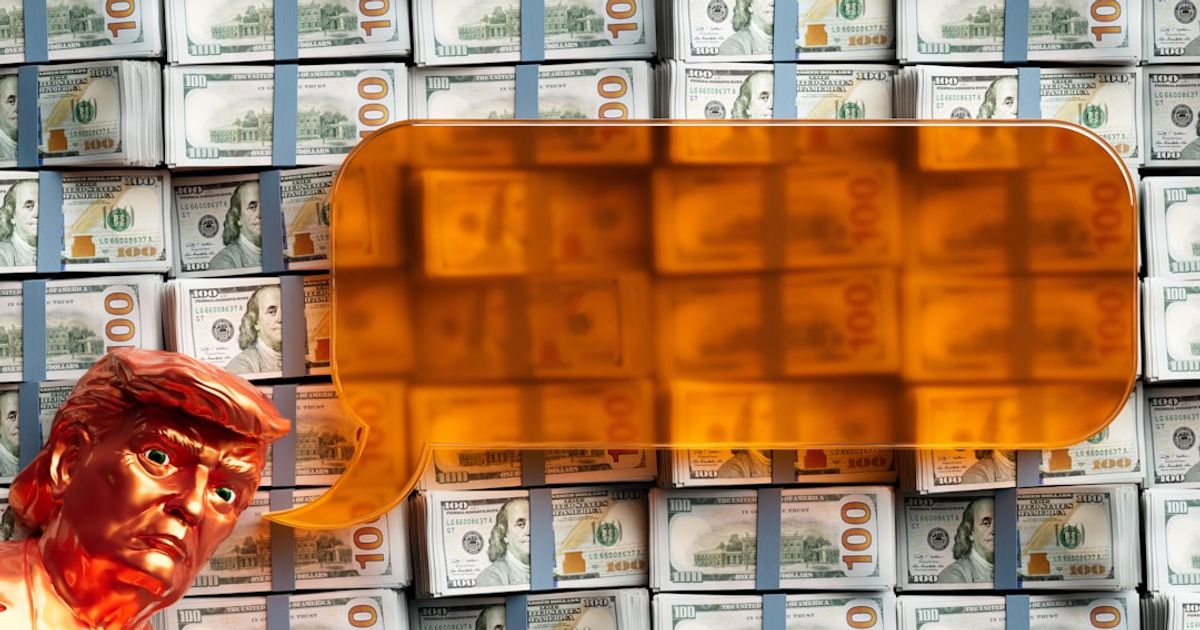
Trump is urging the Fed to cut interest rates now, claiming it is essential for economic growth. However, futures markets indicate rates will likely remain unchanged amid rising inflation concerns.
US President Donald Trump is intensifying calls for the Federal Reserve to cut interest rates immediately. At a recent White House meeting, Trump suggested a 'special meeting' to discuss rate reductions, arguing that now is the optimal time for such action. He criticized current Fed Chair Jerome Powell, claiming he is 'hurting our country' by maintaining high rates, which he believes should be 'substantially lower' to boost economic growth and reduce the burden of the $39 trillion national debt.
Trump's push for lower rates aims to stimulate the economy, housing market, and stock market, while also encouraging investment in higher-risk assets, including cryptocurrencies. Lower interest rates typically enhance market liquidity by making borrowing cheaper, thus increasing capital flow into speculative assets. However, as the Federal Reserve prepares for its upcoming two-day meeting, the CME futures markets indicate a strong likelihood that rates will remain unchanged, with a 99% probability of no cuts this week.
In a recent statement on Truth Social, Trump reiterated his calls for immediate action from the Federal Reserve, declaring that the chair should be dropping interest rates now. He has been vocal about the need for lower rates since January, arguing that the United States should aim for 'the lowest in the world' to spur growth. Trump has labeled Powell as 'too late' in responding to economic needs, emphasizing that high interest rates pose a threat not only to the economy but also to national security.
The backdrop to Trump's calls for rate cuts includes the increasing challenge posed by the national debt, which has ballooned to $39 trillion. The president contends that reducing interest rates would alleviate the burden of servicing this debt, allowing for more fiscal space to invest in growth-promoting initiatives. Trump's strategy leans heavily on the idea that lower rates can stimulate the economy, bolstering both consumer spending and business investment.
Additionally, lower interest rates can incentivize riskier investments, as cheaper borrowing costs typically lead investors to seek higher returns in assets like stocks and cryptocurrencies. This dynamic is particularly relevant given the growing interest in digital currencies, which have been gaining traction among investors looking for alternatives to traditional assets. As interest rates decline, the potential for increased capital flow into cryptocurrencies may also rise, fueling their price movements in the market.
As the Federal Reserve kicks off its two-day meeting this week, market expectations appear to diverge sharply from Trump's rhetoric. Current CME futures markets indicate a 99% probability of rates remaining unchanged in the range of 3.50% to 3.75%. This trend is expected to continue into the upcoming April 29 meeting, where a 97% probability of no change has been estimated. These figures suggest that traders and market analysts are bracing for a steady monetary policy stance from the Fed, despite the pressures from the White House.
The expectation of maintained interest rates comes amid a backdrop of rising oil prices, exacerbated by ongoing geopolitical conflicts, particularly with Iran. These elevated oil prices contribute to increased costs for goods and services, which may lead to higher inflation rates. Currently, the inflation rate in the US remains steady at 2.4%, but analysts are predicting a rise in March, potentially prompting the Fed to reconsider its rate strategy in the near future.
The interplay between rising oil prices and inflation is a significant factor that the Federal Reserve must navigate. Higher fuel costs can lead to increased transportation expenses, which in turn drive up the prices of food and other essential goods. This inflationary pressure could complicate the Fed's decision-making process regarding interest rates, as they weigh the need to stimulate the economy against the risk of exacerbating inflation.
Jeff Mei, chief operations officer at the BTSE exchange, has remarked that traders have already priced in the likelihood of zero cuts this year, indicating that market participants may not expect significant changes in monetary policy in the immediate term. This sentiment reflects a broader market understanding that the Fed is likely to adopt a wait-and-see approach, particularly in light of the complexities presented by the current geopolitical landscape and its economic implications.
As the Fed continues to deliberate on its monetary policy, the potential for fluctuating inflation rates and rising oil prices remains a critical concern. The central bank's cautious stance may mitigate downward pressure on cryptocurrency prices, as traders adjust their expectations in response to the evolving economic conditions. Overall, the landscape for monetary policy remains complex, with potential implications for inflation and market dynamics as the situation evolves. The ongoing discourse around interest rates and economic strategy will continue to shape the dialogue between the administration and the Federal Reserve, with both entities navigating an uncertain economic environment.