
Silver Plummets 6% After Jobs Report Surges Past Expectations
 By John Nada·Jun 5, 2026·3 min read
Silver sinks nearly 6% as jobs report overshoots expectations. Rate hike odds spike, highlighting structural supply deficit.
Silver dropped like a stone Friday, shedding nearly 6% in the wake of a strong May jobs report. The U.S. economy added 172,000 jobs, far exceeding the 80,000–85,000 consensus, and sending shockwaves through markets.
This isn't just about silver’s Friday fall. It’s about the Fed's next move. Rate hike odds have climbed to 67%, up drastically from 45% last week, as traders recalibrate their expectations. The 10-year Treasury yield jumped to 4.54%, and the dollar rallied, pressuring non-yielding assets like silver and gold.
Silver is a strange beast—it has two engines. Its monetary engine, tied to real yields and monetary policy, took a hit. But its industrial engine, responsible for 56% of demand, remains untouched by payroll data. Still, the broader silver market’s sixth consecutive year of deficit, highlighted by a 46.3 million ounce shortfall, hasn't shifted, according to the World Silver Survey 2026.
The gold-silver ratio widened to 63, as silver's decline outpaced gold's 3% drop. Historically, silver overcorrects during such sell-offs but tends to rebound quickly once the market stabilizes.
Despite the price dip, the structural supply deficit remains unchanged. The market has been drawing down stockpiles since 2021, a cumulative 762 million troy ounces. New mines take years to develop, leaving the gap unbridged for now. Investors waiting for a supply response might need to keep waiting.
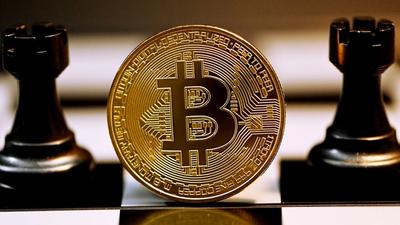
Bitcoin ETFs Reverse $4.4B Outflow Streak with $3M Influx
Bitcoin ETFs halt $4.
Friday's market reaction underscores the delicate balance between silver's dual roles. The white metal's monetary side responds swiftly to news affecting real yields and interest rates. With the Fed now under pressure to possibly raise rates, silver's monetary engine bears the brunt of these adjustments. The 10-year Treasury yield's rise to 4.54% further exemplifies the increased appeal of yielding assets, drawing investors away from silver.
Conversely, silver’s industrial demand remains robust. Its applications in solar panels, electric vehicles, AI data center components, and medical equipment showcase its irreplaceable role. This industrial demand, comprising over half of silver's total usage, is largely immune to short-term economic reports. The silver needed for solar installations and electric vehicles continues unabated, irrespective of monthly payroll statistics.
The persistent supply deficit in the silver market is another critical factor. The World Silver Survey 2026 reports a 46.3 million ounce deficit, marking the sixth year of consecutive shortfalls. This deficit has grown by 15% from the previous year, indicating an ongoing struggle to meet demand. Since 2021, approximately 762 million troy ounces have been drawn from above-ground stockpiles, emphasizing the strained supply situation.
Silver's price dynamics are further complicated by its historical volatility. The metal is notorious for its exaggerated price movements compared to gold. A widening gold-silver ratio, now at 63, reflects silver's sharper decline but also points to potential for rebound. This pattern of overcorrection and subsequent recovery is well-documented, offering a glimmer of hope for investors attuned to silver's cyclical behavior.
As these factors converge, the market's focus remains split between immediate monetary pressures and longer-term industrial demand. Silver's dual nature ensures that while one engine may falter, the other can sustain. The recent decline serves as a reminder of silver's sensitivity to economic indicators while underscoring its enduring industrial relevance.