Silver Futures Surge Amid U.S.-Iran Conflict—Interest Rates Loom
 By John Nada·Jul 20, 2026·4 min read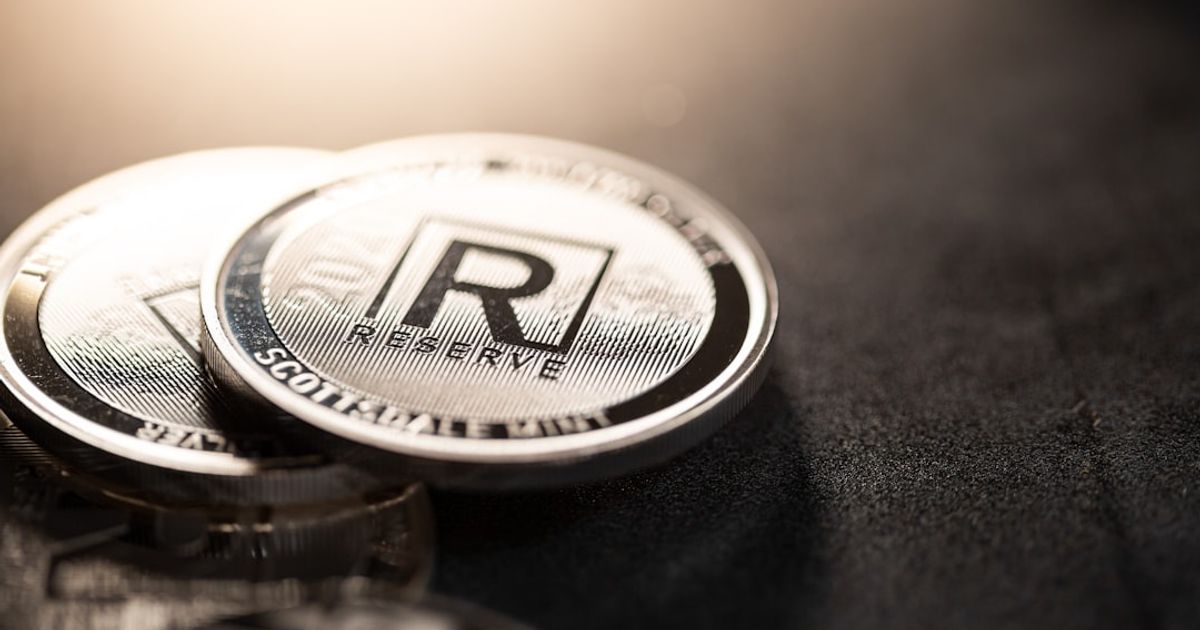
Silver futures rise amid U.S.-Iran conflict. Interest rates threaten future prices as geopolitical tensions escalate.
A weekend of turmoil in the Middle East has reignited interest in silver futures. On Monday, September futures for silver opened at $55.96 per ounce, a 0.6% dip from Friday's closing price, according to Yahoo Finance. But by 8:45 a.m. ET, prices climbed to $57.05, reacting to escalating tensions between the U.S. and Iran.
The deadly weekend saw at least three American service members killed, two of whom died in an Iranian strike on a U.S. air base in Jordan. In response, U.S. Central Command has promised a swift retaliation. This ongoing conflict could push interest rates higher, a headwind that often weighs down commodities like silver, which lack a cash yield.
The current landscape for silver is complex and marked by volatility. Examining recent trends, silver is up 45.3% from the same time last year. However, recent weeks have seen it lose ground—a 5% drop from last week and a startling 15.5% down from last month. This volatility underscores the challenges and opportunities present in the silver market.
The silver market has experienced significant fluctuations over the past year. Notably, back in May, silver's year-over-year growth was at a staggering 173.3%. This remarkable growth rate highlights the commodity's potential for significant gains, although it also points to the inherent risks of investing in such a volatile asset. The reasons behind these dramatic shifts are multifaceted, involving both supply and demand factors as well as broader economic and geopolitical dynamics.
A critical factor influencing the silver market is the geopolitical tension in the Middle East. The recent escalation between the U.S. and Iran has heightened uncertainty and contributed to the volatility in silver prices. Historically, geopolitical instability tends to drive investors towards safe-haven assets like precious metals. However, the relationship between geopolitical events and silver prices is not straightforward, as it is also influenced by other economic factors such as interest rates and inflation.
Interest rates play a crucial role in determining the attractiveness of investing in commodities like silver. As interest rates rise, the opportunity cost of holding non-yielding assets increases, making them less attractive compared to interest-bearing investments. The potential for higher interest rates due to ongoing geopolitical tensions could pose a headwind for silver prices in the future.

Fed Chair Warsh Prioritizes 'Price Stability' Amid Historic Inflation Surge
Fed Chair Warsh emphasizes 'price stability' amid a 4.
Despite these challenges, silver remains a popular investment choice for many. Investors can choose from various methods to gain exposure to silver, each with its benefits and drawbacks. The most direct way to invest in silver is to purchase it in physical form, such as bullion bars or coins. This approach offers the advantage of direct ownership without counterparty risk, but it also requires consideration of storage, security, and insurance.
For those seeking a more convenient option, silver exchange-traded funds (ETFs) provide an accessible way to invest in silver. These funds trade on stock exchanges like individual stocks and can be bought and sold through any standard brokerage account. Some ETFs hold physical silver, giving investors fractional ownership of the metal, while others invest in companies associated with silver production. However, investors should be mindful of the tax implications, as some silver ETFs may be taxed as collectibles, leading to a higher tax rate.
Understanding the broader context of the silver market also involves examining the performance of companies within the industry. Investors can utilize tools like the Yahoo Finance Screener to explore top-performing companies in the silver sector. By applying over 150 different screening criteria, investors can tailor their searches to identify potential opportunities that align with their investment goals.
The recent surge in silver prices amid U.S.-Iran tensions highlights the metal's role as a potential safe haven during times of uncertainty. However, as interest rates loom, the future trajectory of silver prices remains uncertain. Investors must weigh the opportunity cost of holding silver against its appeal as a hedge against geopolitical instability and economic volatility.
Silver's allure isn't just in physical form. Options like silver ETFs provide more accessible channels for investors. Some ETFs hold the metal directly, offering fractional ownership minus the hassle of storage and insurance. Still, the taxation on these investments can be tricky, sometimes treated as collectibles with a heftier tax rate.
As geopolitical tensions remain high, how will silver and the broader market navigate the uncertain terrain? Will the opportunity cost of holding silver outweigh its appeal as a safe haven?