Oil's 11% Crash and Gold's Rise Signal Market Shifts
 By John Nada·Apr 17, 2026·6 min read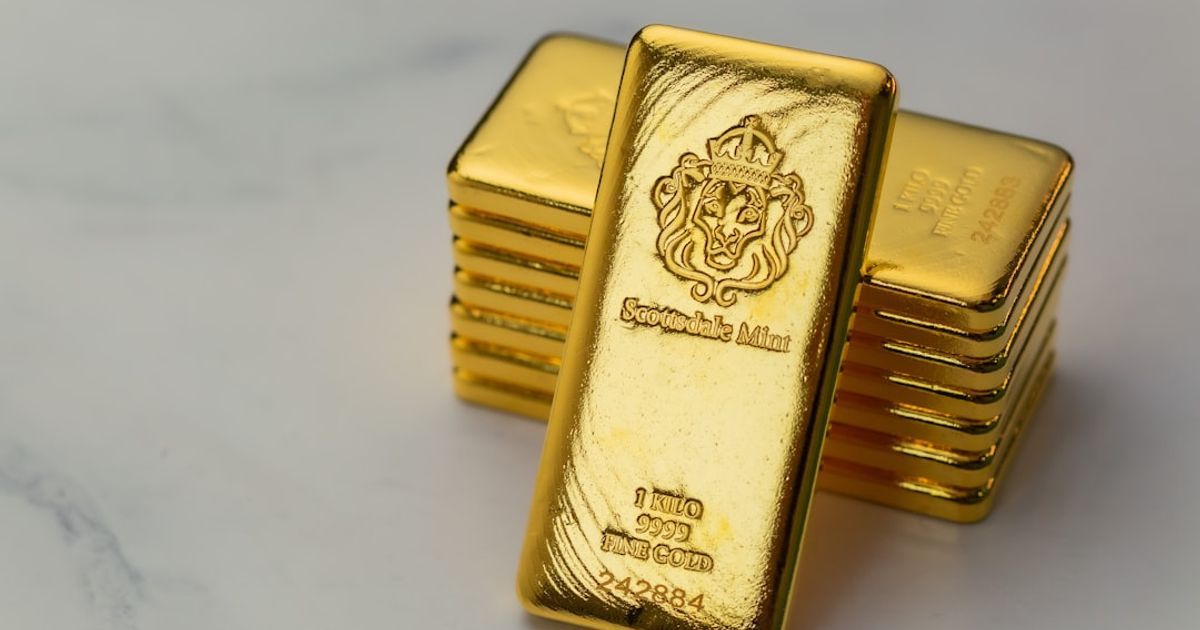
Oil prices fell over 10% following a key announcement, while gold rose 1.5%, highlighting a crucial shift in market dynamics and inflation expectations.
Oil prices plummeted over 10% following Iranian Foreign Minister Abbas Araghchi's announcement that the Strait of Hormuz is open for commercial shipping, signaling a ceasefire in Lebanon. This significant movement in oil prices had a direct impact on inflation expectations and market dynamics, causing the end-of-2026 rate expectations to fall below 3.50% for the first time since early March. On the same day, gold prices rose by 1.5%, highlighting a divergence in the drivers behind these two critical assets.
Before this announcement, Iran had restricted traffic through the Strait of Hormuz, which is crucial for global oil supply, effectively cutting around 10 million barrels per day from the market. The resulting supply shock led to a substantial increase in oil prices, creating a 'war premium' that had inflated global inflation expectations. With the announcement of the strait's reopening, the market reacted swiftly—West Texas Intermediate crude fell sharply, while gold, typically viewed as a safe haven, rose. This divergence indicates that the forces propelling gold are fundamentally different from those affecting oil.
The increase in gold's value amidst falling oil prices suggests a shift from geopolitical risk premiums to a monetary premium. Gold, which does not yield interest, competes with interest-bearing assets like US Treasury bonds. As inflation expectations decrease with falling oil prices, the allure of gold increases in comparison to bonds, which have seen real yields drop significantly. This suggests that the market is now pricing in potential rate cuts by the Federal Reserve, which may further bolster gold prices.
This latest market behavior underscores the structural changes at play. The US government has crossed $1 trillion in annual debt interest payments this fiscal year, indicating significant fiscal strain. Meanwhile, central banks have been net buyers of gold for 17 consecutive months, reinforcing a long-term bullish case for the precious metal. These trends signal that gold's demand is driven by fundamental economic conditions rather than temporary geopolitical events.
If the ceasefire holds and oil prices continue to fall, inflation spikes may prove to be transitory. The Federal Open Market Committee (FOMC) is set to meet soon, and with the new data supporting lower inflation expectations, the Fed could choose to maintain rates or signal potential cuts by mid-year. This scenario could push gold closer to the $5,000 mark, reinforcing its appeal in a shifting economic landscape.
However, uncertainties remain. The ceasefire could easily falter as logistical challenges persist in the region. Still, the price movements from this event illustrate that gold’s resilience is rooted in its monetary characteristics rather than geopolitical tensions. Investors should pay attention to these structural signals, as they could have lasting implications for the precious metals market moving forward.
On the day of the announcement, silver also saw notable gains, closing at $79.60, with the gold-to-silver ratio near 61, which is among its tightest readings in over a month. This ratio and the rising silver price further emphasize the shifting sentiment in the precious metals market. Historically, when gold and silver trends diverge, it signals changing investor sentiment and potential future movements in both markets.
The dynamics behind the oil crash and gold rally on that fateful day are crucial to understand. Since February, Iran had enforced restrictions on commercial traffic through the Strait of Hormuz, a vital waterway for global oil supply that typically accounts for approximately 20% of the world’s oil and natural gas flow. This blockade resulted in a significant supply cut of around 10 million barrels per day, pushing Brent crude prices up by 10–13% and leading to prolonged energy inflation. The market had baked this supply disruption into oil prices, creating a so-called 'war premium' that heightened global inflation expectations.
The swift response to Araghchi's announcement was telling. As oil prices fell, the market reacted favorably with stocks surging, reflecting optimism about lower energy costs and the prospect of easing inflation. Conversely, gold's rise indicated that its demand was not merely a reaction to geopolitical instability; rather, it was a response to monetary conditions and expectations about future interest rates. This divergence in asset performance on the same day implies a significant shift in how markets interpret risk and opportunity.
The mechanics of gold's appeal lie in its lack of yield compared to interest-bearing assets like US Treasury bonds. With the recent drop in oil prices, inflation expectations have also taken a hit. Consequently, real yields fell as well, which is crucial for gold's attractiveness as an investment. When real yields are high, investors tend to favor bonds over gold. However, a drop in expected inflation and interest rates diminishes the opportunity cost of holding gold, thus driving its price higher.
Friday's crash and the simultaneous rise of gold elucidate this relationship clearly. The market now seems to anticipate that the Federal Reserve has room to cut rates, a significant turnaround from previous expectations of potential hikes. This change in sentiment could lead to sustained upward momentum for gold prices. The sequence of events is critical to grasp: lower oil prices lead to lower inflation expectations, which in turn lead to lower interest rate expectations, culminating in reduced real yields and a corresponding increase in gold's price.
Sound money investors have long understood that gold's value is not merely a function of geopolitical crises but rather rooted in sound fiscal policy and monetary stability. The US government's interest payments exceeding $1 trillion in this fiscal year—surpassing the entire defense budget—indicate a level of fiscal strain that cannot be ignored. Furthermore, with central banks actively accumulating gold for 17 consecutive months, the long-term bullish outlook for the precious metal is reinforced.
As we look ahead, the implications of the recent events on the gold market are profound. Should the ceasefire in the region hold and oil prices continue to decline, we may witness a significant shift in inflation dynamics. The Consumer Price Index had recently spiked to 3.3%, but with energy prices potentially stabilizing, such spikes may prove to be temporary. The Federal Open Market Committee's upcoming meeting will be critical, especially in the context of recent data that supports lower inflation expectations.
Market participants should remain vigilant, particularly in the lead-up to the FOMC meeting. The blackout period preceding the meeting means that no Fed officials will provide guidance, leaving the market to respond primarily to data and geopolitical developments. Key indicators to watch include the 10-year Treasury yield, which may compress further below 4.2%, oil prices, and the upcoming April Personal Consumption Expenditures reading, which is crucial for understanding inflation trends.
Gold's position was solidified at $4,868 at the end of last week, marking its fourth consecutive weekly gain. This upward trend, alongside silver's performance, underscores the structural legs of momentum in the precious metals market. The divergence observed in oil and gold prices on that day reveals critical insights into market dynamics and investor sentiment, signaling a potential new phase for both assets in the coming months.