
Inflation Surge Hits Markets Hard, Bitcoin Dips Below $82,400
 By John Nada·Jan 31, 2026·4 min read
The December Producer Price Index surged, raising inflation concerns and causing Bitcoin to dip below $82,400. Market expectations for rate cuts have shifted.
Inflation fears are back on the table as the December Producer Price Index (PPI) not only exceeded expectations but raised alarms about persistent price pressures. According to CryptoSlate, the final demand PPI rose 0.5% month-over-month, marking the sharpest increase since July. This surge was driven by a notable 0.7% rise in services, while goods prices remained flat. Year-over-year, the headline PPI reached 3.0%, surpassing forecasts of 2.7%. Even more concerning, core PPI jumped to 3.3% from 2.9%, the highest level since July 2025.
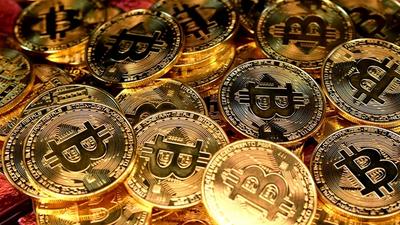
Markets reacted swiftly, with Bitcoin dipping below the $82,400 mark after hitting an intraday low of $81,100. The Federal Reserve's expectations for rate cuts now appear less optimistic, with futures pricing in only 52 basis points of cuts for 2026, indicating a shift in sentiment. The dollar index also saw an uptick of 0.82% in the past 24 hours, while real yields on 10-year TIPS hovered around 1.90%.
This raises critical questions about the trajectory of inflation, particularly in the services sector, which has shown tenacity in maintaining pricing power. Trade services margins increased by 1.7%, portfolio management fees rose by 2.0%, and airline fares jumped 2.9%, with hotel prices soaring by 7.3%. These figures suggest that companies are successfully passing costs onto consumers, indicating sustained pricing power rather than transitory price shocks.
Interestingly, despite a 1.4% decline in energy prices—typically a drag on overall inflation—the strength of service prices overshadowed this decrease. The narrowest core measure of PPI has risen 0.4% for eight consecutive months, pushing the year-over-year rate to 3.5%. This consistent upward trend argues against viewing recent price movements as mere noise.
The PPI data doesn't directly dictate monetary policy, as the Federal Reserve primarily monitors Personal Consumption Expenditures (PCE) inflation, due for release on February 20. However, the components of the PPI are integrated into PCE calculations, meaning the recent PPI results could tilt PCE expectations upward. Economists currently estimate the December core PCE to be between 0.3% and 0.4% month-over-month, translating to about 3.0% year-over-year.
Market sentiment reflects a cautious outlook. As of January 30, futures indicate a less than 30% probability of rate cuts in March or April, with about a 65% chance of a move in June. Comparatively, the Fed's December economic projections indicated a median policy rate of 3.375% by the end of 2026, suggesting a single cut from the current 3.50%-3.75% range.
Crypto Liquidations Surge on U.S. Airstrikes — $897M in Longs Wiped Out
Crypto markets face turbulence as $897M in long positions are liquidated.
The Congressional Budget Office (CBO) projected a drift towards a 3.4% policy rate by late 2026, maintaining a high inflation environment due to tariffs and tax cuts. The market's pricing reflects a more conservative easing path than previously hoped for, indicating that inflationary pressures may persist despite potential rate cuts.
Three scenarios are emerging for interest rates and Bitcoin. The base case anticipates two cuts starting in June, with PCE confirming sticky inflation without acceleration. In this scenario, Bitcoin may experience choppy trading conditions, as higher real yields and a strong dollar could create opportunity-cost drag, but the lack of outright tightening should provide some support.
In a hawkish scenario, if inflation remains stubbornly high, the Fed may only implement one cut or none at all, leading to a stronger dollar and further pressure on Bitcoin prices. Conversely, a dovish scenario could see disinflation returning, potentially prompting the Fed to implement three to five cuts, which would create a favorable environment for Bitcoin, though initial market reactions could still be volatile.
Investors should keep a close watch on the upcoming PCE report and its implications for monetary policy. If disinflation resumes, conditions may soften for risk assets like Bitcoin. However, the initial response to any economic slowdown could create uncertainty in the market.
In summary, the recent inflation data has reshaped market expectations, and Bitcoin's trajectory will heavily depend on forthcoming economic indicators and Fed responses. Investors should brace for potential volatility as the situation unfolds.