Hong Kong Expands Gold and Yuan Network — Aims to Outflank Dollar Stablecoins
 By John Nada·Jul 11, 2026·6 min read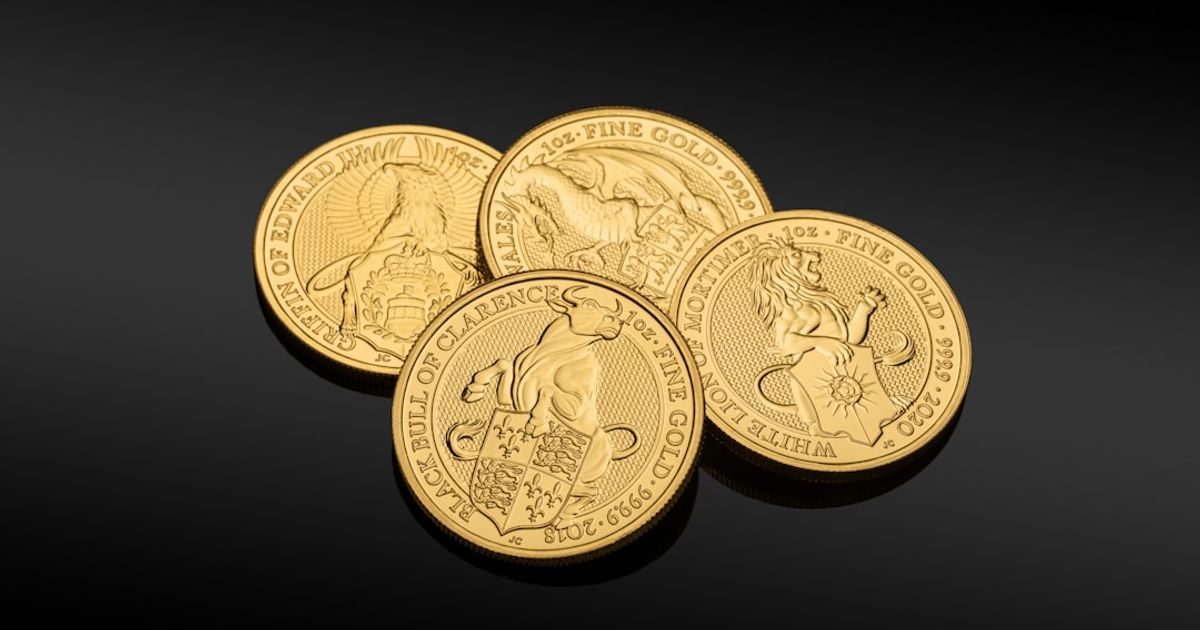
Hong Kong expands yuan and gold infrastructure with a $73.6 billion facility, challenging dollar stablecoins.
500 billion yuan. That's the new capacity outlined for Hong Kong's RMB Business Facility, a significant leap that reflects China's ambition to bolster the yuan's international presence according to CryptoSlate. This is not a minor adjustment; it's a strategic move to enhance Hong Kong's role in yuan finance, further complicated by its gold trading capabilities that are expanding alongside.
What does it mean? Hong Kong is positioning itself as the gateway for institutions eager to engage with the yuan outside mainland China's tightly controlled currency environment. It's a bold experiment in financial infrastructure, using gold and yuan as the linchpin to draw more non-dollar activity.
Stablecoins won over users by making money easier to move, long before the financial world agreed on what they meant. That helps explain the scale of USDT and USDC: they never had to replace the global reserve system to become powerful. They simply made dollars easier to move online, and crypto markets made the network effect impossible to ignore. In contrast, Hong Kong’s approach is not about echoing the US dollar's reach—it’s a bid to offer a different route altogether for cross-border finance.
The trial operations of a central gold clearing and settlement system are a cornerstone of this strategy. Hong Kong aims to expand its gold storage capacity to over 2,000 metric tons within three years, an ambitious target that increases the city's influence in global gold markets. Gold is one of the most important pillars of global finance because it offers a reserve asset with broad recognition and deep historical legitimacy. While governments, banks, and large investors may disagree on currencies, they have no problem understanding gold.
On the yuan front, the facilities introduced don't just make the currency more available; they also streamline its integration into larger transactions. The HKMA increased its RMB Business Facility for Hong Kong banks from 200 billion yuan to 500 billion yuan (approximately $73.6 billion), with the expansion taking effect on July 10. This expansion will give banks in Hong Kong access to deeper offshore yuan funding. In practical terms, it will make yuan-based activity outside mainland China easier to fund and easier to scale.
As Hong Kong ups its Southbound Bond Connect investment quota to 800 billion yuan, it widens the bridge for mainland investors to buy offshore bonds, reinforcing its status as a critical node between Chinese capital and the world. Bond Connect serves the capital-markets side of the same strategy. The larger southbound quota allows mainland investors to buy more offshore bonds through Hong Kong, widening the city’s role as a bridge between Chinese capital and global markets.
Here's why it matters: Every step that makes the yuan more usable internationally chips away at the dollar's dominance in global transactions. This initiative from Hong Kong provides a refined laboratory for financial openness, allowing China to broaden yuan use while maintaining control over its domestic financial system. It mirrors the way crypto stablecoins cracked open the door for programmable digital dollars, offering ease and liquidity in a format users trust.
But there are limits. The yuan remains a managed currency, offering Beijing significant control but also limiting its natural spread globally. Hong Kong’s enhancements won’t abolish the structural restrictions imposed by capital controls. Even with expanded clearing systems and quotas, these barriers remain. Still, the attempt to build an offshore financial ecosystem speaks volumes about where China sees potential growth.
Hong Kong is becoming China’s offshore laboratory. To fully explain the package and its importance, we first need to separate it into the different functions it serves. Gold is the easiest place to begin. Those steps could give the city a larger role in trading, settling, and storing gold at scale.
Bitcoin Hovers Near $64K — CPI Data Poised to Shake Markets
Bitcoin steadies at $64K, but upcoming CPI data could disrupt the recent rally.
These moves give institutions more ways to operate outside the dollar system, from clearing and storing gold to funding yuan transactions and accessing offshore bonds at scale. That’s the kind of practical advantage that helped dollar stablecoins dominate crypto in the first place, as users followed the route that felt easiest and most liquid.
The market often treats stablecoins as a race among issuers such as Tether and Circle, but that captures only one layer of competition and misses all of the others. The deeper contest is about which monetary route will become easiest for people and institutions to use. Stablecoins offered a powerful alternative to the dollar, and Beijing is now trying to establish easier access to assets that sit outside the dollar system.
Hong Kong offers a partial solution because it gives China an offshore venue where it can deepen yuan use, expand market access, and attract global participation while preserving firmer control over the mainland system. Gold gives Hong Kong’s plan an extra source of appeal. By building a larger gold market alongside wider yuan use, the city could draw institutions seeking both access to China’s currency and a reserve asset beyond it.
If Hong Kong succeeds in becoming a larger gold hub, the city could gain credibility as a platform for non-dollar reserve activity beyond its role as a channel for Chinese financial policy. That helps explain why this development affects stablecoins. Stablecoins made the dollar programmable and portable. Now Hong Kong is trying to make yuan funding, access to Chinese bonds, and gold settlement more usable for institutions seeking alternatives within the traditional financial system.
Both aim to make cross-border finance easier, though they use different tools and serve different goals. Dollar stablecoins move dollars across digital networks, while Hong Kong’s package builds traditional market infrastructure for yuan funding, bonds, and gold settlement.
However, China won't have an easy road to yuan adoption. Dollar stablecoins benefit from the scale, liquidity, and broad confidence in dollar pricing. While Hong Kong can certainly make offshore yuan activity more attractive, it can’t erase the structural cost of capital controls simply by expanding a clearing system or raising a quota.
Hong Kong allows China to invite more global participation around the edges of its system while keeping the mainland core under tighter supervision. In that sense, Hong Kong functions as China’s offshore laboratory for financial openness. It offers enough flexibility to attract capital and enough oversight to keep the experiment within limits Beijing can accept.
The next stage of the crypto race will be about which monetary routes become easiest to use across borders. Right now, crypto still primarily meets that need with digital dollars. Hong Kong’s latest package shows China building a different route, one centered on offshore yuan liquidity, bond market access, and gold’s enduring role as a reserve asset. That route still faces obvious limits. The world’s financial system is being rebuilt through a mix of software, market access, reserve assets, and political control.
Dollar stablecoins remain the clearest expression of that shift inside crypto, but Hong Kong’s yuan-and-gold package shows that China intends to shape the same transition from another angle, one institutional upgrade at a time.