Gold's Unexpected Stagnation Amid Rising Oil Prices and War
 By John Nada·Mar 13, 2026·4 min read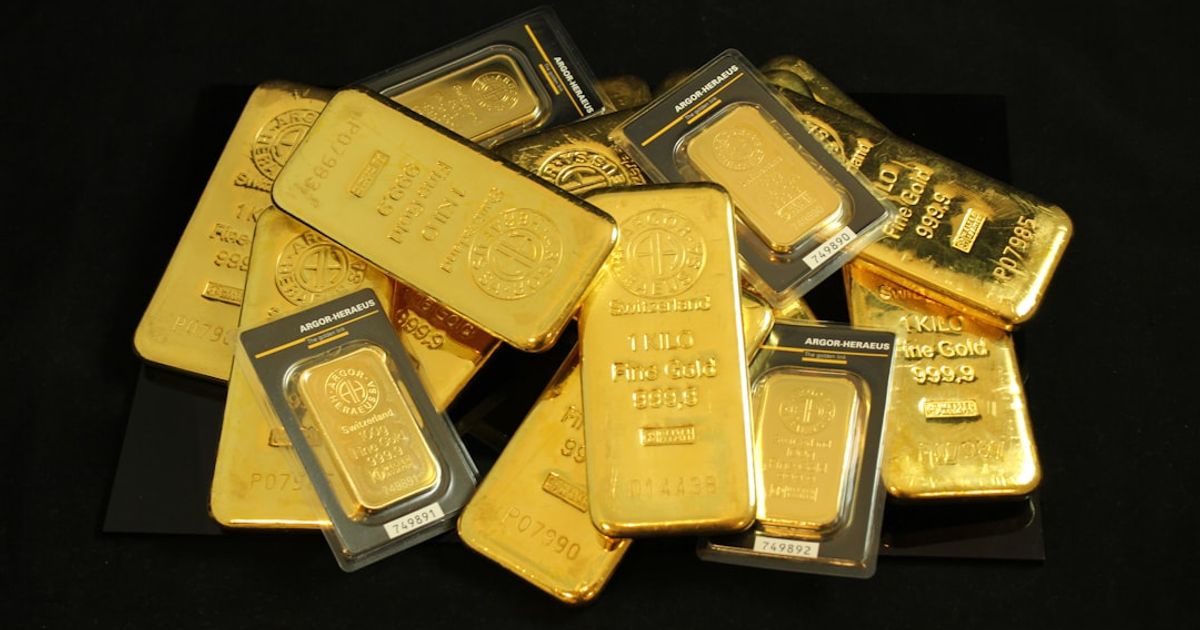
Gold's performance defies expectations amid rising oil prices due to the Iran war. The Fed faces a complex challenge with inflation and economic slowdown.
The ongoing Iran war has disrupted conventional expectations for gold and oil, with gold failing to capitalize on a typical wartime surge. Following military actions on February 28, gold prices briefly rose but quickly reversed course, dropping over 6% by March 3, even as oil surged past $100 a barrel. Currently, gold is trading sideways, oscillating between $5,050 and $5,200, indicating investor skepticism amidst broader market turmoil.
Several factors contribute to gold's lackluster performance. A stronger dollar, diminishing expectations for Federal Reserve rate cuts, and forced liquidations as investors scramble for cash have all played a role. In times of panic, even traditionally safe assets like gold can get sold off as investors seek liquidity, leading to the rapid unwinding of the war premium that had initially boosted prices. This dynamic illustrates a broader trend in financial markets where 'paper gold,' or gold futures and ETFs, tends to trade like risk assets during periods of volatility, rather than maintaining its traditional role as a safe haven.
The implications of the Iran conflict extend beyond immediate market reactions. The U.S. economy was already showing signs of weakness, with a revised Q4 GDP growth rate of just 0.7%. This reflects underlying issues in spending, exports, and government outlays, which were already raising concerns before the conflict escalated. The combination of rising oil prices and stagnant economic performance creates a challenging environment for the Federal Reserve, caught between the need to address inflation and the risk of exacerbating economic decline. This scenario raises fears of stagflation, characterized by slowing growth and persistent inflation, which historically favors hard assets like gold in the longer term.
Bitcoin Holds Steady at $63,170 Amid $216M BTC Sale
Bitcoin steadied around $63,170 despite a $216M sale by Strategy, showing resilience amid macro uncertainties.
The Strait of Hormuz, a critical chokepoint for oil trade, has become a focal point of concern. Before the conflict, around 138 vessels passed through daily, but current transits have dropped dramatically to approximately two. This dramatic decline impacts around 25% of global seaborne oil trade, amplifying fears of supply disruptions. The International Energy Agency's response included a record reserve release of 400 million barrels, but the reality is that existing infrastructure cannot compensate for the war-induced bottleneck. Saudi Arabia's ability to reroute oil through alternative channels remains limited, with the primary bypass route capable of only about 3 million barrels per day, far less than the 6 million barrels it was exporting through the Strait prior to the conflict.
Moreover, the fiscal implications of ongoing military engagement are significant. The U.S. was already running deep deficits, and the costs of military operations in Iran threaten to strain an already precarious budget. With interest costs on federal debt surpassing defense spending, the potential for increased fiscal pressures looms large. This situation could lead to an erosion of the dollar's value, further underpinning gold's appeal as a safe haven. Treasury Secretary Scott Bessent's comments on costs not being a limiting factor for military decisions underscore a troubling reality for the market: national security may take precedence over fiscal prudence, potentially leading to long-term economic repercussions.
As the Fed grapples with this complex landscape, its options are limited. A rate cut could risk embedding inflationary pressures, while holding rates steady could exacerbate economic weakness. The recent drop in Michigan Consumer Sentiment indicates households are feeling the financial strain, a sentiment that could further dampen spending and investment. As energy prices soar and inflation, which had shown signs of cooling, gains a new tailwind, the Fed faces an unprecedented challenge of managing both inflation and economic slowdown simultaneously.
In this context, the market is left to ponder the future trajectory of both gold and oil. While gold's current stagnation is notable, the historical context suggests that it could ultimately benefit from the unfolding economic landscape marked by inflationary pressures and geopolitical uncertainties. The data indicates that the U.S. economy was already on shaky ground before the first missile was fired, signaling a precarious path ahead. The script may not align with expectations immediately, but the potential for a delayed response from gold remains a key narrative to watch in the coming months. As investors navigate this turbulent environment, the interplay between gold, oil, and the broader economic indicators will be critical in determining market directions.