Gold Swings $45 Amid Iran Tensions — Beneath Lies a $39 Trillion Debt Threat
 By John Nada·May 19, 2026·5 min read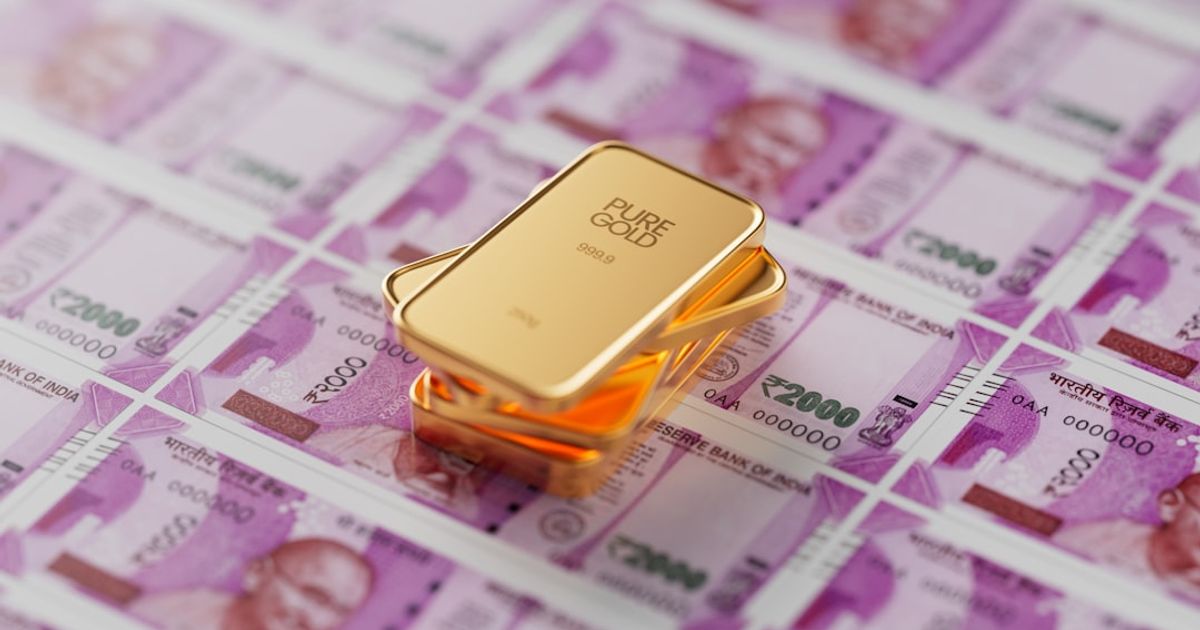
Gold swings $45 amid Iran tensions, driven by underlying $39 trillion debt issues. Geopolitical spikes short-lived; fiscal factors keep prices high.
Gold traded as high as $4,589 before pulling back to $4,544, a $45 intraday swing, as reported by GoldSilver.com. This seesaw was triggered by reports that President Trump paused or called off a planned strike against Iran, with oil prices also taking a hit from the news.
While geopolitical events like Trump's Iran posture whip gold, silver, and oil around, the real story lurks beneath the surface. The gold price Iran pause monetary floor is holding strong because the monetary fundamentals that pushed gold to an all-time high of $5,589 in January remain firmly in place. According to GoldSilver.com, geopolitical spikes are short-lived, but fiscal and monetary factors are what keep prices elevated.
Crude oil plummeted over 2% after Trump signaled the strike was off, triggering traders to unwind the risk premium tied to the Strait of Hormuz. Gold, however, barely moved, showcasing its unique response to monetary credibility and real yields, unlike oil, which is purely a supply-shock asset. This divergence highlights a crucial point: while the Iran standoff disrupts oil's supply chain, it leaves the U.S.'s nearly $39 trillion national debt untouched.
Iran's potential closure of the Strait of Hormuz, a channel through which roughly 20% of global oil supply flows, remains a threat. But for gold investors, the more pressing issues lie in U.S. fiscal spending and the dollar's long-run credibility. Wars historically inflate economies, with bills paid in newly minted currency—a factor that gold prices in, unlike oil.
With gold trading in a $100 band between $4,525 and $4,589, driven by fluctuating Iran headlines, longer-term investors find these swings irrelevant. Gold is up roughly 4% year-to-date and 50% year-over-year, supported by central banks purchasing a net 863 tonnes in 2025, marking their fifteenth consecutive year as net buyers, as noted by the World Gold Council.
Silver, meanwhile, fell nearly 2% to $76.24, reacting more sharply than gold on the same headlines. Silver's dual role as both a monetary metal and industrial commodity makes it more sensitive to the current market pressures. The gold-to-silver ratio sits near 60:1, close to its long-run average, with the silver market looking at its sixth consecutive annual supply deficit in 2026, according to the Silver Institute.
As Iran continues to be a catalyst, not the root cause, the conditions making gold and silver attractive—runaway deficits and central banks diversifying away from dollars—remain unchanged. Whether Trump decides to strike, negotiate, or do both, these monetary realities persist, keeping investors focused on the long-term monetary story.
Micron's $100 Billion Memory Chip Bet — AI Demand Looms
Micron secures $22B in customer commitments for memory-chips amid AI demand.
The geopolitical intricacies of the Iran-U.S. standoff add layers of complexity to the commodities market, but for seasoned investors, they are a mere backdrop to a more significant trend. The persistent increase in gold’s value over the past year underscores a broader monetary narrative. Despite the daily volatility influenced by political headlines, the consistent demand from central banks, which have been net buyers for over a decade, reveals a strategic move away from dollar dependency.
This sustained buying spree by central banks, amounting to 863 tonnes in 2025 alone, illustrates a global shift in monetary policy. These purchases are not just hedges against political unpredictability but a calculated response to the fiscal strategies of leading economies. The $39 trillion national debt of the United States, for instance, represents a long-term economic challenge that underscores the appeal of gold as a stable store of value in uncertain times.
Gold's resilience, even as oil prices fluctuate wildly, highlights the different factors driving each commodity. While oil prices are largely influenced by immediate supply chain disruptions, such as potential blockages in the Strait of Hormuz, gold's value is tethered to deeper, structural economic concerns. The emphasis on real yields and monetary credibility suggests that gold investors are more concerned with the sustainability of fiat currencies than with temporary geopolitical tensions.
Moreover, the historical context of wars leading to inflationary periods cannot be ignored. The economic principle that wars inflate economies holds true as governments often resort to printing more money to cover the costs, thereby devaluing their currencies. Gold, in such scenarios, serves as a hedge against this devaluation, maintaining its purchasing power over time. This is a critical aspect of the metal's allure, distinguishing it from other commodities that might not offer the same protection.
For silver, the situation is nuanced. Its dual nature means that while it reacts sharply to geopolitical headlines, its industrial demand also plays a significant role in its price dynamics. The anticipated sixth consecutive annual supply deficit in 2026 adds a layer of complexity, as supply constraints coupled with its monetary role could drive significant price movements in the future.
Investors analyzing the gold and silver markets must therefore consider a multitude of factors beyond the immediate headlines. The ongoing fiscal policies, central bank strategies, and structural economic indicators provide a clearer picture of the long-term trends. This comprehensive approach, as opposed to a reactionary one based solely on current events, offers a more stable investment strategy.