
Gold surpasses $5,000: Implications for investors and markets
 By John Nada·Jan 26, 2026·2 min read
Gold has crossed $5,000 per ounce, marking a significant shift in market dynamics amid rising inflation and geopolitical tensions.
Gold has reached a historic milestone, trading above $5,000 per ounce for the first time. This surge follows the largest weekly gain for the precious metal since the 2008 financial crisis, signaling a significant shift in market dynamics and investor sentiment.
The recent rally in Gold prices can be attributed to various factors, including rising inflation concerns, geopolitical tensions, and a fluctuating U.S. dollar. As central banks around the world continue to navigate economic uncertainty, many investors are turning to Gold as a safe-haven asset. This strategy has been particularly prevalent as inflation rates remain elevated, prompting fears of deteriorating purchasing power for fiat currencies.
Market analysts suggest that this price movement reflects broader trends in the commodities sector. With the Federal Reserve's stance on interest rates remaining cautious, the opportunity cost of holding Gold has diminished, making it an attractive option for those looking to hedge against inflation. The ongoing volatility in equity markets also plays a role, as apprehensive investors seek refuge in tangible assets like Gold.
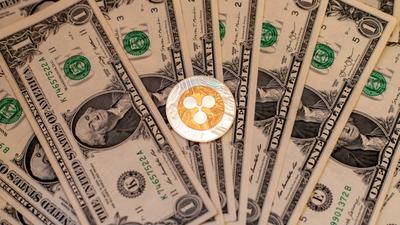
XRP Tumbles Below $1.30 — Sellers Break Key Support Level
XRP sinks below $1.
The implications of Gold's price increase extend beyond individual portfolios. Central banks, which have been accumulating Gold as part of their reserve strategies, may now reassess their positions in light of this new price threshold. This could lead to increased purchases by sovereign nations, further driving demand and potentially pushing prices higher.
As we look ahead, the key question for investors is whether this rally is sustainable. The interplay between Gold, inflation, and central bank policies will likely dominate discussions in financial circles. Additionally, the effects of global supply chain disruptions and the ongoing conflict in Ukraine could further influence Gold's trajectory.
In this context, investors will need to remain vigilant, assessing how shifts in monetary policy and fiscal responses to economic challenges will impact the precious metals market. As Gold reaches new heights, the conversation around its role in diversified portfolios and risk management strategies is set to intensify. Will institutional investors increase their allocations to Gold in response to these changes, or will they shift focus to other asset classes as economic conditions evolve? Only time will reveal the answers to these pressing questions.