Gold Surges Amid Iran Conflict as Market Awaits Trump's Address
 By John Nada·Apr 1, 2026·7 min read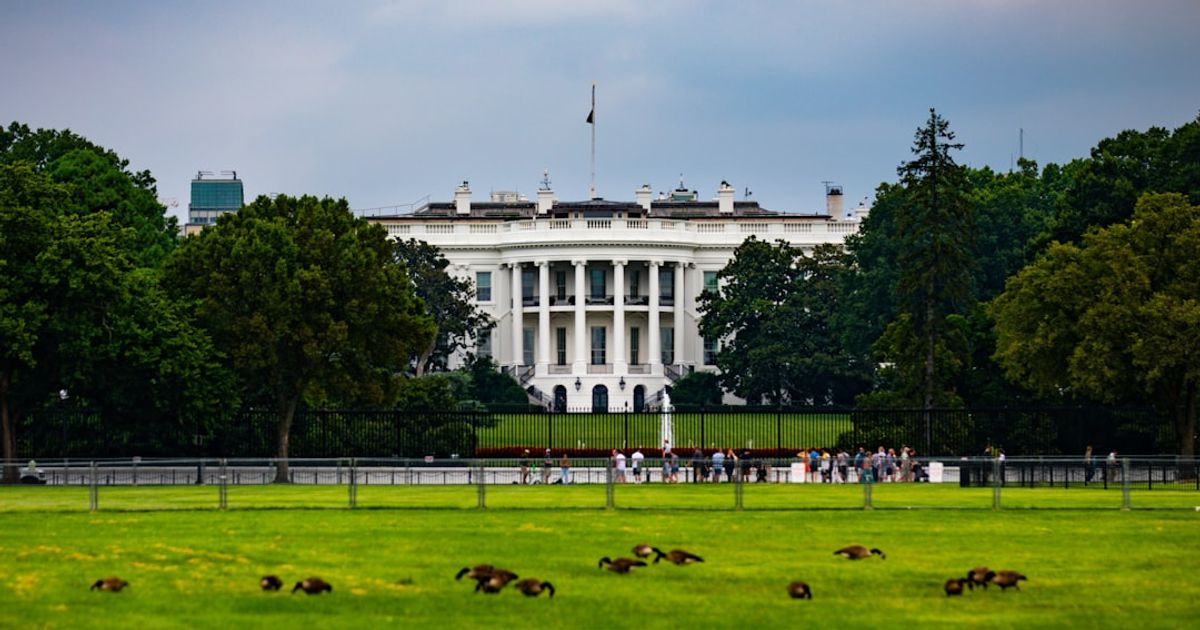
Gold prices rose sharply amid Iran conflict as market awaits Trump's address. This highlights gold's role as a safe haven in times of uncertainty.
Gold prices jumped 2% as tensions around the Iran conflict escalated, coinciding with signals of a potential ceasefire and an impending address from former President Trump. This surge underscores gold's appeal as a safe haven when geopolitical uncertainties rise, highlighted by a backdrop of fluctuating economic indicators.
The gold price Iran war connection came into sharp focus Wednesday, with gold climbing roughly 2% as ceasefire signals emerged ahead of Trump’s prime-time address. The move reflects renewed safe-haven demand — and reinforces gold’s role as a portfolio stabilizer when confidence wavers. Investors often flock to gold during periods of geopolitical instability, viewing it as a protective asset against the volatility of the stock market and the eroding value of fiat currencies.
While gold experienced a significant uptick, silver's performance diverged, showing only a marginal increase of 0.1%. This difference illustrates silver's closer ties to industrial demand, making it more sensitive to economic conditions compared to gold's role as a portfolio stabilizer during times of crisis. Silver's flat performance is indicative of its industrial applications, which are heavily influenced by overall economic conditions and manufacturing output.
The implications for investors are clear: as the geopolitical landscape remains volatile, the demand for hard assets like gold is likely to persist. With inflationary pressures mounting and the potential for a stagflationary environment, gold's position as a hedge against uncertainty becomes increasingly relevant. The recent job numbers released boosted gold's appeal; the ADP report indicated that 62,000 private sector jobs were added, surpassing the Dow Jones consensus of 39,000. However, it is crucial to note that nearly all of these gains came from just two sectors: healthcare and construction, which added 58,000 and 30,000 jobs, respectively. This narrow growth raises questions about the robustness of the labor market.
Moreover, the ISM Manufacturing PMI registered 52.7% in March, marking expansion for the 17th consecutive month. However, the Prices Index has surged by 19.3 percentage points over the past two months, reaching its highest level since June 2022. This juxtaposition of growing output against surging input costs is essentially the definition of an inflationary squeeze — a scenario that typically benefits gold. With rising inflation and the specter of recession, gold's historical role as a safe haven asset becomes even more pronounced.
The real test for the economy comes this Friday, as economists expect a rebound in payroll numbers following February's heavily distorted print of -92,000 due to a healthcare workers’ strike. A weak number this time around could raise recession fears, adding further pressure on economic confidence. Combine that with prices already running hot, and you have exactly the stagflationary backdrop that has historically sent gold prices higher.
As gold prices soar, the oil supply crisis fueled by the Iran conflict adds another layer of complexity. The head of the International Energy Agency, Fatih Birol, warned that the oil supply crisis is already the worst in history, with 12 million barrels per day lost — more than double the combined disruption seen during the two oil crises of the 1970s. The warning came as the IEA announced a record release of 400 million barrels from strategic reserves, although Birol acknowledged that this would not fully address the impending crisis. Given that the cargo ships that were in transit through the Strait of Hormuz when the war began have now delivered their loads, the outlook for April appears grim with no new supplies coming in.
For gold investors, the implications are clear: if oil prices remain elevated, inflation will likely persist, reinforcing the case for hard assets like gold. The direct relationship between the gold price and the Iran war has never been more evident, and tonight’s speech from Trump could either solidify or disrupt this trend.
Tonight, at 9 p.m. ET, Trump delivers his first prime-time address since Operation Epic Fury began 33 days ago, and markets have spent the day positioning themselves around what he might say. Trump claimed earlier Wednesday that Iran’s president had requested a ceasefire — a claim that Iran’s foreign minister quickly dismissed as “false and baseless.” The White House has indicated that the address will reiterate Trump’s intention to conclude the war within the next three weeks, which may provide some relief to investors looking for stability in the region.
U.S. Moves $288M Seized Crypto to Coinbase Prime — Breaking a Presidential Order
Additionally, the average U.S. gas price has hit $4 a gallon for the first time since 2022, adding domestic pressure on the administration to find an exit strategy from the conflict. Trump has also hinted at the possibility of pulling the U.S. out of NATO, especially after key allies declined to join the war or assist in patrolling the Strait of Hormuz. Such a move could send shockwaves through the markets and lead to increased volatility.
For gold investors, tonight’s address is one of the most significant market events of the week. The market is keenly aware that any indications of de-escalation in the conflict could lead to a decline in gold prices as investor sentiment shifts back toward riskier assets. Conversely, if the address heightens concerns about the conflict's duration or escalates tensions, it could further bolster gold's status as a safe haven.
As the situation unfolds, the dynamics between gold and silver continue to illustrate the complexities of precious metals investment. The divergence in performance between the two metals underscores the importance of understanding the underlying factors that influence their prices. Gold, often seen as a hedge against uncertainty, will likely continue to attract investment in light of ongoing geopolitical tensions, while silver's industrial ties may limit its upside potential during periods of economic uncertainty.
This critical juncture in the gold and silver markets reinforces the notion that investors should remain vigilant and informed about the developments in both geopolitics and economic indicators. As inflation rises and market conditions fluctuate, the role of precious metals as a means of preserving wealth becomes ever more significant.
With a volatile geopolitical landscape and economic pressures mounting, the demand for hard assets like gold and silver is expected to remain strong. Investors are urged to keep a close eye on key indicators and market sentiment as they navigate these turbulent times. The relationship between geopolitical events and precious metal prices has never been more direct, and staying ahead of these trends is essential for making informed investment decisions.
As we await the results of Trump’s address and the subsequent market reactions, the coming days will be critical for both gold and silver investors. The interplay between the unfolding events in Iran and the corresponding market responses will serve as a crucial barometer for the future of precious metals in the current economic climate.
In light of these developments, it is evident that the landscape for gold and silver investors is both compelling and complex. The ongoing uncertainty in global markets, paired with the direct impacts of geopolitical events, creates an environment ripe for opportunities and risks alike. Investors must remain proactive and adaptable as they position their portfolios to align with the evolving dynamics of the market.
As we navigate this unprecedented period, the insights gained from understanding the gold and silver markets will be invaluable in guiding investment strategies. Whether through direct investments in physical metals or through various financial instruments, maintaining a well-informed perspective on market trends will be paramount to achieving long-term financial objectives.