Gold Plunges 3.4% Amid Oil Surge — Rate Hike Fears Loom
 By John Nada·Jul 17, 2026·6 min read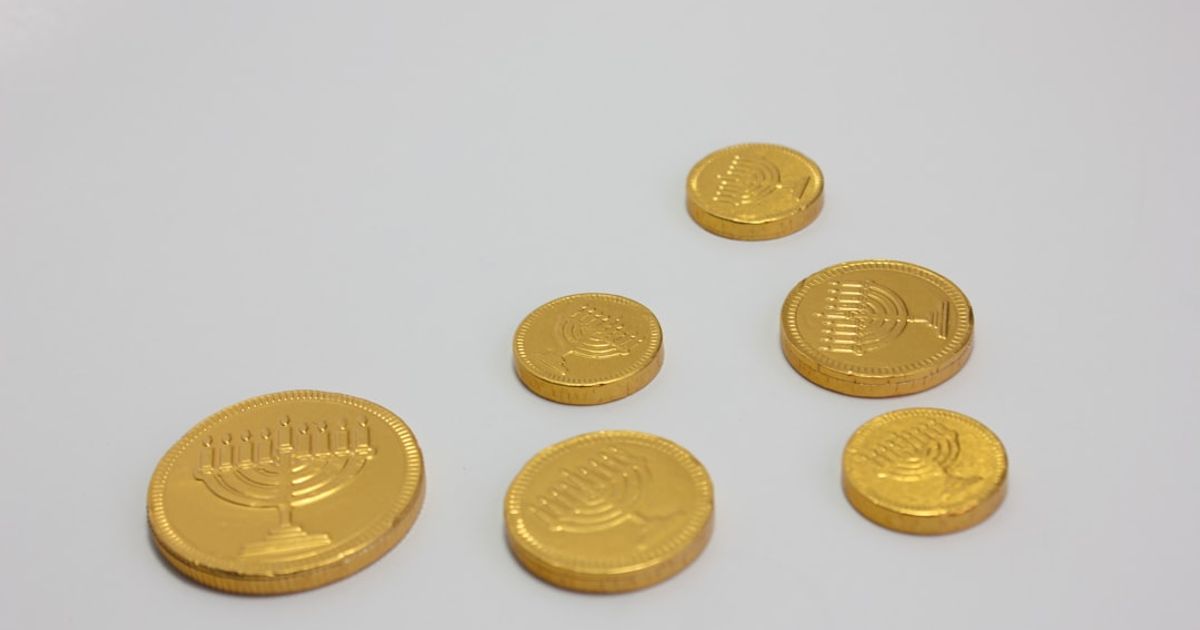
Gold tumbles 3.4% as oil spikes 12%, raising Fed rate hike odds. U.S.-Iran tension fuels energy surge, impacting inflation fears and gold forecasts.
Gold's 3.4% slide this week marks its steepest fall since early June, shattered by oil's dramatic 12% rise due to U.S.-Iran tensions. As GoldSilver.com reports, the yellow metal's tumble to $3,968.08 was fueled by escalating energy prices, which propelled inflation expectations and the odds of Federal Reserve rate hikes.
The immediate cause for this sharp decline was the surge in energy prices triggered by the escalating tensions between the U.S. and Iran. According to Reuters, oil prices skyrocketed by approximately 12% over six consecutive days of hostilities, significantly impacting inflation expectations. These heightened inflation expectations, in turn, had a cascading effect on the likelihood of Federal Reserve rate hikes. As oil prices rise, the cost of holding non-yielding assets like gold also increases, leading to a reevaluation of investment strategies.
Dallas Fed President Lorie Logan's call for a rate increase added fuel to the fire. Speaking in Houston, she emphasized that inflation was still too high, according to GoldSilver.com. Between her comments and those of Fed Vice Chair Philip Jefferson, traders are now pricing a 73% likelihood of a December rate hike, CME FedWatch Tool data shows. The market's anticipation of rate hikes further contributed to the pressure on gold prices, as investors adjusted their portfolios in response to changing economic conditions.
The backdrop? A relentless oil rally that puts pressure on non-yielding assets like gold. As energy prices rise, so do inflation prospects, forcing a reevaluation of the cost of holding commodities without dividends or interest. This environment creates a challenging landscape for investors seeking safe havens, as the traditional appeal of gold is undermined by shifting economic dynamics.
And the dollar isn't helping. Its strengthening on rising rate expectations makes gold more expensive globally. A stronger dollar tends to sap demand for precious metals by hiking their international purchasing cost, thereby weighing on spot prices. This dynamic further complicates the outlook for gold, as the interplay between currency fluctuations and commodity prices adds layers of complexity to investment decisions.
StoneX analyst Rhona O'Connell notes subdued positioning in gold and silver markets, with investors adopting a wait-and-see approach ahead of the pivotal July FOMC meeting. This cautious stance reflects the uncertainty surrounding future monetary policy decisions and the potential impact on financial markets.
In a market where oil's volatility dictates gold's fate, the Beige Book suggests the U.S. economy is stable with moderate price increases, leaving the Fed with little urgency to alter course. Thus, the tug-of-war between energy-driven inflation fears and softer CPI/PPI data continues. The Federal Reserve's July 2026 Beige Book, released on July 15, described U.S. economic activity growing at a "slight to moderate pace," with prices rising moderately. This assessment indicates a lack of immediate pressure on the Fed to adjust its monetary policy stance.
In this environment, Business Monitor International's decision to cut its gold price forecast reflects dollar strength and geopolitical nuances. HSBC and Deutsche Bank have both revised their forecasts downward, per Reuters, while Bernstein remains bullish, seeing the correction as largely played out. The divergence in outlooks among financial institutions underscores the complexity of predicting gold's future trajectory.
Citadel Securities Invests $400M in Crypto.com — $20B Valuation Set
Crypto.
Bernstein argues for future central bank buying as the key driver, suggesting fewer than expected rate hikes over the next year. Their optimism contrasts with broader bank predictions, driven by real rate increases having had their impact. On July 9, Bernstein Research raised its full-year 2026 gold price target to $4,533 per ounce. Its H2 target moved to $4,375, while its 2027–2030 forecasts were unchanged. Bernstein's position stands apart from the broader bank consensus: while others have adjusted their targets to reflect the gold price correction, Bernstein argues the headwind has largely played out.
While banks adjust forecasts, physical demand in Asia holds firm. As GoldSilver.com highlights, despite dropping prices, consumer buying in China burgeoned. Chow Tai Fook reported significant sales growth, buoyed by value-driven purchases in a market unconvinced by ETF outflows. The mechanism is straightforward: despite the gold price correction, prices fell 11% month-over-month in June, yet consumers bought more, not less. This is value-driven demand — the opposite of ETF behaviour, where lower prices can trigger outflows.
Chow Sang Sang echoes this sentiment, with store sales surging in China despite an overall jewelry retail sales dip. Gold's allure in Asia counters the bearish sentiment, underscoring a complex interplay of forces that make predicting its path a nuanced endeavor. According to the World Gold Council's 2026 Central Bank Gold Reserves Survey, 89% of central banks expect global gold reserves to rise over the next 12 months. A record 45% plan to add to their own holdings. Reserve managers don’t sell when yields tick up. If ETF outflows stay limited and central banks keep buying, moreover, the rate-gold inverse that defined Q2 may matter less than traders think.
The gold-silver ratio, a key indicator of market sentiment, widened to 72.15, up 0.88% on the session. Silver is hovering at $55.00, off 1.09%. This widening ratio suggests a relative underperformance of silver compared to gold, reflecting investor preferences amid current market conditions.
Wall Street remains divided on whether the repricing is complete. Some analysts argue that the market has already priced in the potential impact of rising oil prices and rate hikes, while others caution that further volatility could lie ahead. This uncertainty highlights the challenges facing investors as they navigate a rapidly changing economic landscape.
Despite the challenges posed by a stronger dollar and volatile energy prices, the structural case for owning gold remains intact. A dollar that needs a hawkish Fed to hold its value is a dollar with a fiscal problem. This problem is the structural case for owning gold, as it serves as a hedge against currency devaluation and economic instability.
As investors continue to grapple with the implications of geopolitical tensions and monetary policy shifts, the outlook for gold remains uncertain. The balance between inflation fears and central bank policies will likely play a crucial role in shaping the future trajectory of gold prices, making it a market to watch closely in the coming months.