
Gold Falls to $4,448 as Rate-Hike Fears Intensify — Central Banks Keep Buying
 By John Nada·Jun 7, 2026·4 min read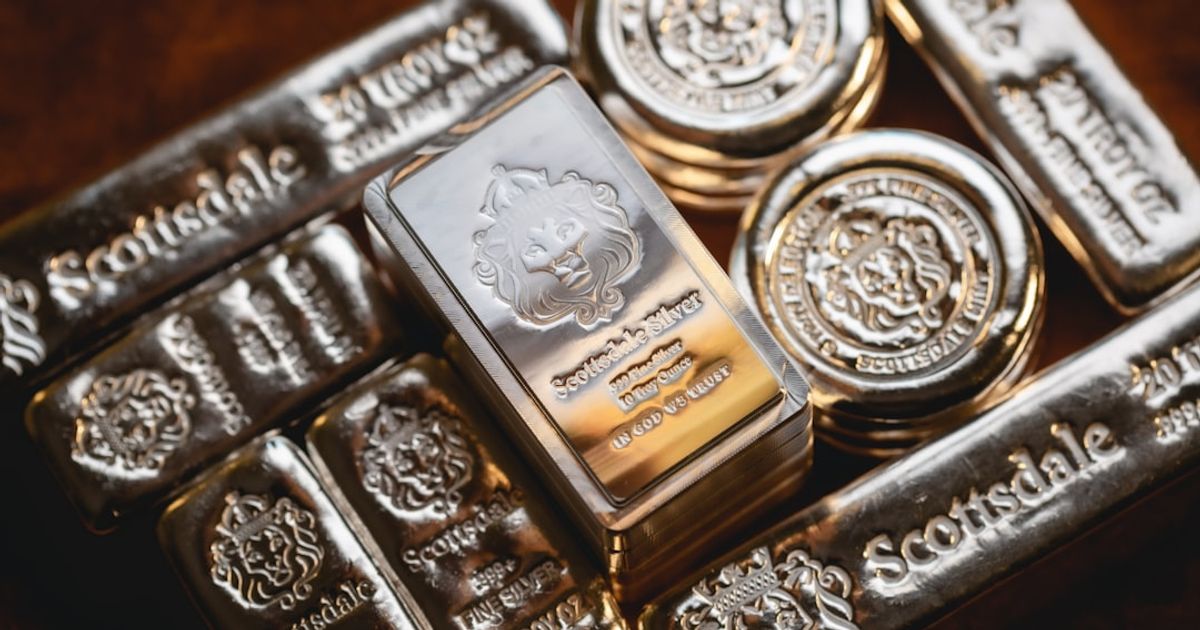
Gold fell to $4,448 amid rate-hike fears, yet central banks continue to buy heavily. A complex tale of contrasting strategies.
Gold is at a crossroads. The metal slipped to $4,448 this week, posting its worst weekly performance in a month. Rate-hike expectations—and the fears they've triggered—are the loudest headline. However, the structural picture tells a more layered story.
Gold's recent drop is driven by two forces. First, hopes for a U.S.-Iran peace deal faded. Hezbollah rejecting a ceasefire plan for Lebanon kept oil prices elevated, which in turn kept inflation expectations firm. This keeps the Federal Reserve hawkish. Second, Kansas City Fed President Jeffrey Schmid noted the firm inflation has the Fed considering further rate hikes. According to CME Group’s FedWatch tool, the probability of a Fed rate increase by December 2026 now stands at 51%.
Higher rates raise the opportunity cost of holding gold, which pays no interest. This mechanism, not just geopolitics, is the dominant driver of this week’s weakness, GoldSilver.com reported. Alongside gold, silver also saw declines, trading near $72.65 per ounce, with platinum and palladium experiencing similar fates.
Yet, central banks aren't deterred. They've purchased approximately 244 tonnes of gold in Q1 2026, a pace that ranks as the fourth-highest annual central bank demand since 1950. Retail demand tells a different tale—down 25% year-over-year, with ETF inflows plummeting 73% from Q1 2025. A stark divergence from the central bank strategy.
The divergence between retail and central bank buying patterns highlights different motivations. Retail buyers react to price shifts, while central banks focus on structural conditions, viewing gold as a secure reserve asset immune to foreign government freezes or issuer creditworthiness issues—unlike U.S. Treasury bonds. This perspective has intensified following the freezing of Russia’s currency reserves in February 2022, prompting non-Western central banks to diversify their holdings.
Central bank purchases have consistently exceeded 200 tonnes per quarter since the start of 2025, reflecting a strategic shift in reserve asset composition. Meanwhile, retail demand, influenced by price sensitivity and external factors like increased gold import taxes in India and reduced consumer jewelry demand in China, has seen a marked decline.
CLARITY Act's Passage Odds Drop to 60% Amid Senate Delays
The CLARITY Act's progress stalls as the Senate calendar tightens, reducing its passage likelihood to 60%.
The current trend of gold's price movement is not unprecedented. Historically, gold has experienced similar corrections following significant rallies. For instance, from October 2008 to September 2011, gold surged by 170% but later declined by 37% over the following years. Similarly, from August 2020 to September 2022, a 74% increase was followed by a 22% drop. The recent rally, from September 2022 to January 2026, was propelled by a combination of rising central bank purchases, strong retail demand from China and India, and investor interest driven by inflation concerns, geopolitical risks, and anxiety over the dollar’s reserve status.
However, these factors now diverge. While retail demand cools, central banks continue their acquisitions, emphasizing the strategic importance of gold as a reserve asset. Central bank buying has moderated from its peak pace, but remains robust, reflecting a long-term view that contrasts with short-term market volatility driven by rate expectations.
Economist Thorsten Polleit supports the long-term case for precious metals, noting that gold has risen 94% and silver 135% over the past two years. Polleit, associated with the Austrian School of Economics, argues that the global monetary system's fiat nature is inherently inflationary, posing long-term risks of inflation and currency debasement. He points out that German households hold approximately 4.5 trillion euros in potentially vulnerable deposits, whereas gold and silver offer protection without counterparty risk.
Polleit's recommendation is clear: maintain holdings in both gold and silver as liquid assets. The balance between the two should adjust according to the economic climate—a higher gold weighting during expansions and higher silver during contractions. The gold-silver ratio serves as a useful indicator for this allocation strategy.
The structural arguments for gold and silver are reinforced by the actions of central banks and the insights of seasoned economists. This is not a doomsday scenario but rather a well-informed, strategic approach to safeguarding assets against long-term economic uncertainties. The ongoing central bank buying spree and economist endorsements underscore the strengthening of the long-term thesis for precious metals in an evolving global economy.