
Gold Drops to Six-Month Low Amid Inflation and Fed Rate Fears
 By John Nada·Jun 12, 2026·5 min read
Gold prices hit a six-month low as inflation fears grow and the Fed eyes rate hikes. Investors rethink the traditional safe-haven amid shifting market dynamics.
In a world where inflation fear screams for safe havens, gold’s tumble to a six-month low is a twist few saw coming. "Investors dump the once-hot trade," CNBC Business reported, as they brace for potential Federal Reserve rate hikes later this year. The August gold futures plummeted to $4,046.20 an ounce, marking its weakest standing since November. Yet, it’s not just the Fed's looming shadow weighing down the yellow metal. Traders, according to CME Group’s FedWatch tool, now see a 67% chance of a rate hike by December. High rates would tilt investor favor toward yield-bearing assets like Treasury securities, diminishing gold's allure.
The Iran war, now dragging into its fourth month, is fueling this inflationary blaze. Energy prices spike and with them, consumer inflation in the U.S. grows at its fastest pace in three years. While some economists expect rates to remain steady, many traders hedge otherwise, with Kevin Warsh stepping in as Fed chair.
Despite these tremors, Citigroup analysts remain long-term optimists. They're cautious near-term, citing technical setbacks like gold’s drop below its 200-day moving average. Still, the "consensus view remains constructive over the medium to long term," driven by geopolitical fragmentation and sovereign debt concerns.
The Federal Reserve's potential actions are a critical factor influencing gold prices. As gold doesn't yield any interest, its attractiveness diminishes in comparison to assets that do, such as Treasury securities, especially when the Fed raises interest rates. This dynamic is particularly significant as the Fed is expected to hold its benchmark lending rate steady at 3.50% to 3.75% during Kevin Warsh's first meeting as Fed chair. A majority of economists in a Reuters poll forecast that interest rates will remain unchanged for the year.
Gold prices are notoriously sensitive to expectations surrounding long-term, real interest rates. Traders have had to recalibrate their strategies based on indications that the Fed might raise rates. The CME Group's FedWatch tool currently reflects a 67% chance of such an increase by December. The potential for high rates to stamp out inflation could lead to a preference for dollar-denominated assets, further reducing the appeal of gold.
While the Fed's rate policy is a significant driver of gold prices, the broader geopolitical context cannot be ignored. The ongoing conflict in Iran has had a profound impact on energy prices, contributing to the fastest increase in U.S. consumer inflation in three years. This surge in inflation has further complicated the economic landscape, making it even more challenging for investors to anticipate the Fed's next moves.
The technical picture for gold remains bleak. A critical technical indicator, the 200-day moving average, has been breached for the first time since September 2023. Citigroup analysts have highlighted this as a major negative signal. The bank's cautious stance on gold can be traced back to the escalation of the Iran conflict in March, which has led to higher energy costs and the closure of the Strait of Hormuz.
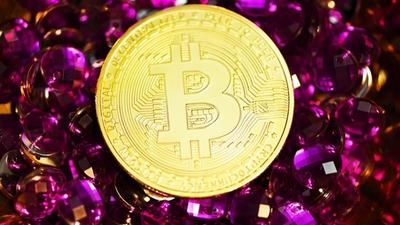
$389 Million Laundered — U.S. Takes Down Global Bitcoin Scheme
Two men charged for laundering nearly $400 million via Bitcoin.
Despite the short-term challenges, Citigroup maintains a bullish outlook on gold over the medium to long term. The bank's analysts point to non-cyclical demand factors such as global geopolitical fragmentation, sovereign debt concerns, and central bank reserve diversification trends as reasons for optimism. These factors are expected to support gold prices in the long run, even as short-term volatility persists.
JPMorgan, on the other hand, presents a different narrative. The bank has observed a broad-based retreat from the "debasement trade," which has been a popular strategy among retail and institutional investors. This withdrawal has been evident in the significant outflows from gold exchange-traded funds (ETFs) and weaker futures positioning.
JPMorgan's analysis indicates that gold ETF outflows reached approximately $20 billion in the week leading up to June 5, following a period of modest inflows. The bank's momentum signal framework suggests a continued retreat from the debasement trade, correlating with ETF flows and futures positioning patterns since the onset of the Iran conflict.
The reduction in exposure to the debasement trade began in late February and has remained steady since mid-April. This trend reflects growing investor concerns about the size of the government deficit, the long-term inflation outlook, and heightened geopolitical uncertainty since 2022.
As investors pivot, gold’s struggle becomes a broader narrative about adjusting to shifting economic currents. The scramble for footing in an uncertain landscape isn’t just a technical blip—it’s a reflection of a market searching for its next story. The dynamics surrounding gold prices are multifaceted, encompassing monetary policy, geopolitical developments, and investor sentiment.
The current environment presents a challenging landscape for gold investors. With inflation fears, potential Fed rate hikes, and geopolitical tensions all exerting downward pressure, investors must carefully navigate the complexities of the market to identify opportunities. As they do so, the enduring appeal of gold as a safe-haven asset will likely be tested, as will the strategies employed to capitalize on its movements.