Gold Crashes $40 — Trump's Hormuz Toll Jolts Markets
 By John Nada·Jul 13, 2026·2 min read
President Trump's Hormuz toll sent gold plummeting $40, as oil prices surged and interest rate hike probabilities soared.
“The United States will become the 'GUARDIAN OF THE HORMUZ STRAIT,'” declared President Trump on Truth Social. His announcement of a 20% levy on every cargo ship transiting this crucial passage sent shockwaves across markets. Gold, already reeling from Iran airstrikes, nosedived another $40 in twenty minutes, hitting as low as $4,005 by early afternoon, reported GoldSilver.com.
At first, this seems counterintuitive. War, a shipping toll, and soaring oil prices typically send investors flocking to gold. Yet, here we saw the opposite — a direct dive. Why? It's about interest rates and inflation expectations.
Brent crude spiked to about $79.75 a barrel, noted Investing.com, a hefty 13.6% above pre-war levels. This isn't just an energy concern. With the Strait of Hormuz accounting for 20% of the world’s seaborne oil and liquefied natural gas, Trump's toll doesn’t just hike prices temporarily. It embeds them into the global economic fabric, spelling longer-term inflation.
Higher inflation implies the Federal Reserve may be nudged toward another rate hike. And when bond yields rise, gold struggles. Why hold a non-interest-bearing metal when a Treasury bond pays 4.58%? Investors pivot, selling gold to snatch up bonds.
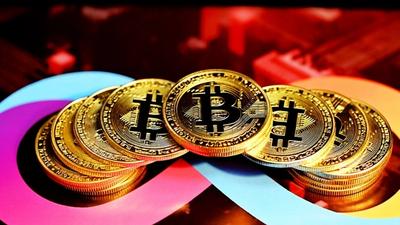
Bitcoin Dips Below $63K Amid U.S.-Iran Tensions—ETF Demand Rises
Bitcoin slips below $63K amid U.
Before the session started, bond markets already priced in a 60% chance of a September rate hike, according to FXEmpire. Yet, with today's developments, that probability surged to nearly 70% by afternoon, as per TradingEconomics.
A crucial juncture awaits tomorrow. With the June CPI release and Fed Chair Warsh’s testimony, markets will gauge the hike's certainty — and gold will react accordingly. As Nicky Shiels of MKS PAMP highlighted, oil's gains have the markets fixated on Tuesday’s CPI reading.
Long-term, the inflationary pressure that’s pressuring gold now could bolster its appeal over the next few years. The Hormuz toll isn’t a passing surcharge; it’s a new layer of cost impacting supply chains. Central banks, like China’s, which bought 14.93 tonnes of gold in June, see beyond today’s market jitters. They focus on preserving purchasing power for decades.
Gold stands around 28% below its January all-time peak. Yet, the structural forces—fiscal deficits, de-dollarization—remain unaltered. As Trump's toll accelerates these trends, eyes will be on tomorrow’s CPI. Should inflation hold above 4.0%, the odds for a rate hike solidify, continuing to pressure gold. If it dips below 3.8%, we might see a strategic reversal.