Gold and Silver Prices Surge Amid Positive Jobs Report
 By John Nada·May 10, 2026·6 min read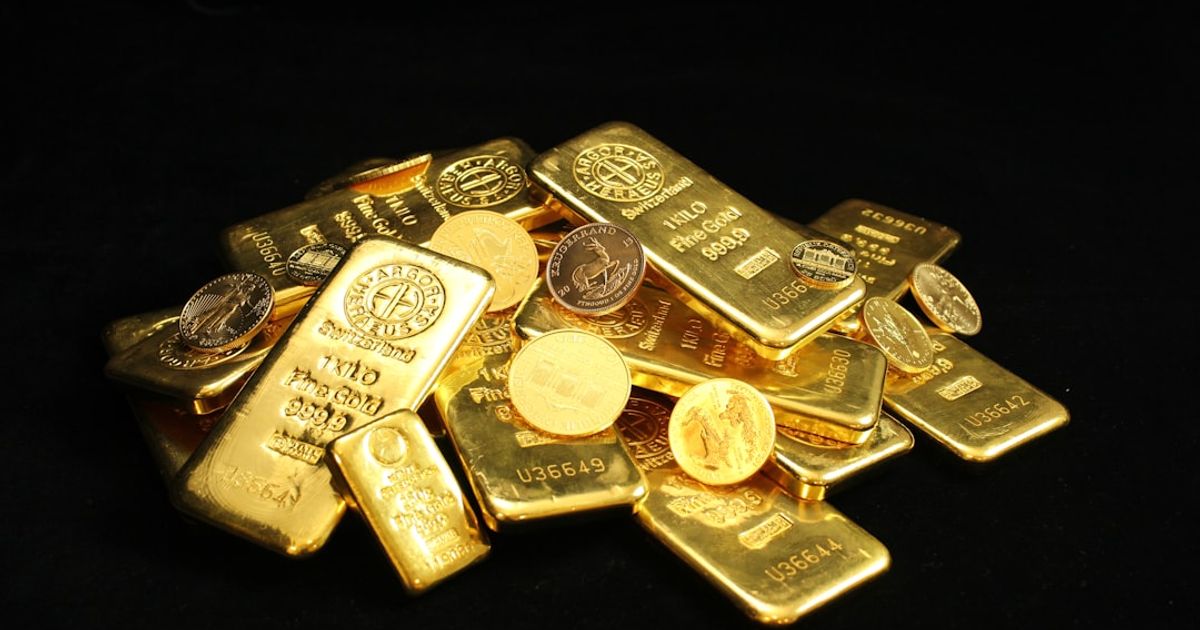
Gold and silver prices rose following a strong jobs report, highlighting investor confidence amid geopolitical tensions. This trend indicates a shift toward safe-haven assets.
Gold prices opened lower on Friday, yet early trading showed a rebound that could signal ongoing investor confidence. June futures for gold started at $4,682.50 per troy ounce, down from Thursday’s close of $4,710.90, experiencing a decrease of 0.6%. However, the price quickly climbed to $4,732.60 by 6:45 a.m. ET, before stabilizing around $4,731.80 by late morning at 10:45 a.m. ET. This upward movement underscores a potential shift in market sentiment.
In parallel, silver futures also opened lower at $78.80 per ounce, down 1.7% from Thursday’s closing price of $80.18. The price of silver rebounded in early trading, climbing to $81.12 by 6:45 a.m. ET and continuing to hold strong at $81.30 by 10:45 a.m. ET. This surge in silver prices reflects a broader trend toward precious metals as investors increasingly seek stability amidst fluctuating market conditions.
Both metals are experiencing upward momentum, with gold and silver prices up 2.22% and 7.29% respectively over the past week. This uptick follows a robust jobs report that revealed the economy added 115,000 jobs, far exceeding expectations. Investor sentiment appears cautious, however, particularly in light of recent geopolitical tensions involving Iranian missile strikes against U.S. naval assets. Despite the assurances of a ceasefire from the U.S. president, the market remains on edge, aware that geopolitical risks can quickly alter economic landscapes.
The implications of these market movements are significant. The rise in precious metal prices often indicates a flight to safety among investors, especially during times of economic uncertainty and geopolitical risks. The recent surge in gold's one-year gain at 38.1% and silver's astounding 144.1% marks a notable increase in their attractiveness as hedges against inflation and currency devaluation. Investors are increasingly viewing these assets not just as commodities but as essential components of a diversified portfolio designed to withstand economic shocks.
As the market continues to evolve amidst ongoing economic challenges, investors are faced with the delicate task of balancing portfolio stability through precious metals and potential growth in equities. This balancing act is crucial, particularly as the stock market experiences volatility influenced by both economic indicators and geopolitical tensions. The recent job numbers may provide a temporary boost in confidence, but the underlying concerns regarding inflation and market stability continue to loom.
The job market's performance is often seen as a bellwether for overall economic health, and the addition of 115,000 jobs suggests a recovering labor market. However, the caution expressed by investors indicates that they are not ready to overlook potential risks, including rising inflation and interest rate hikes, which could impact economic growth. The correlation between job growth and precious metal prices is complex; while employment gains can boost economic confidence, they can also prompt fears of inflation that drive investors toward safe-haven assets like gold and silver.
In the context of rising commodity prices, including Brent crude oil, which is currently priced just over $100 a barrel after declining by about 7% over the past five days, the dynamics of the market become even more intricate. Fluctuations in oil prices can have far-reaching effects on the economy, influencing inflation rates and consumer spending. As oil prices stabilize, the interplay between energy costs and precious metals will be a critical factor to monitor.
Current market trends suggest that investors are gravitating towards gold and silver as protective measures against the uncertainties posed by inflation. Inflation fears have prompted many to reconsider their asset allocations, with precious metals offering a tangible alternative to currency-based investments. As experts in the financial sector debate the optimal allocation of gold in investment portfolios, various perspectives emerge on how much exposure to gold is ideal.
To provide a clearer picture, we can look at expert recommendations regarding gold allocations. Robert R. Johnson, a professor at Creighton University’s Heider College of Business, argues against gold investing, suggesting that while a small position in precious metals might reduce volatility, it ultimately sacrifices long-term returns, particularly for younger investors with longer time horizons. Conversely, Brett Elliott, director of content and SEO at American Precious Metals Exchange (APMEX), suggests that growth-oriented investors may consider allocating between 10% to 15% of their portfolios to gold, while income investors might prefer a smaller allocation of 2% to 5% to maintain potential income without excessively dragging down returns.
Blake McLaughlin, executive vice president at Axcap Ventures, supports a gold allocation of 5% to 8%, citing historical data that reflects gold's resilience amid economic uncertainty and geopolitical unrest. Similarly, Thomas Winmill, a portfolio manager at Midas Funds, recommends a long-term allocation of 5% to 15%, particularly through gold mining companies, to benefit from the sector's growth potential while managing risk.
On the more aggressive side, Vince Stanzione, CEO and founder at First Information, advocates for a 20% allocation to gold, specifically in physical gold or gold ETFs. He highlights gold's capacity to retain purchasing power and keep pace with inflation, contrasting it with paper currencies, which are experiencing devaluation in many parts of the world.
As the market continues to experience fluctuations, the price of gold and silver can also be visualized through tracking tools available to investors. For instance, Yahoo Finance provides 24/7 tracking of gold prices and offers insights into top-performing companies within the gold industry. This level of accessibility empowers investors to make informed decisions based on real-time data and market trends.
The price of gold has shown notable changes over various time frames. For instance, gold's price was up 1% compared to last week, while it has decreased by 1.6% over the past month but reflects a significant increase of 38.1% year-over-year. Similarly, silver's performance has been impressive, with a weekly increase of 5.9%, a monthly rise of 3.5%, and a staggering 144.1% increase over the past year.
These statistics not only highlight the volatility of precious metals but also showcase their potential as reliable investment vehicles in uncertain times. Investors are increasingly recognizing that gold and silver can serve as critical components of a well-rounded investment strategy, especially as they provide a hedge against inflation and economic instability.
As we look ahead, the interplay between job growth, inflation, and geopolitical tensions will continue to shape the market for gold and silver. Investors will need to remain vigilant, assessing how these factors influence their investment decisions and overall portfolio strategies. The importance of understanding market dynamics cannot be overstated, as it informs how individuals position their assets amid changing economic conditions.