Geopolitical Tensions Drive Gold and Silver Prices Higher
 By John Nada·Mar 8, 2026·7 min read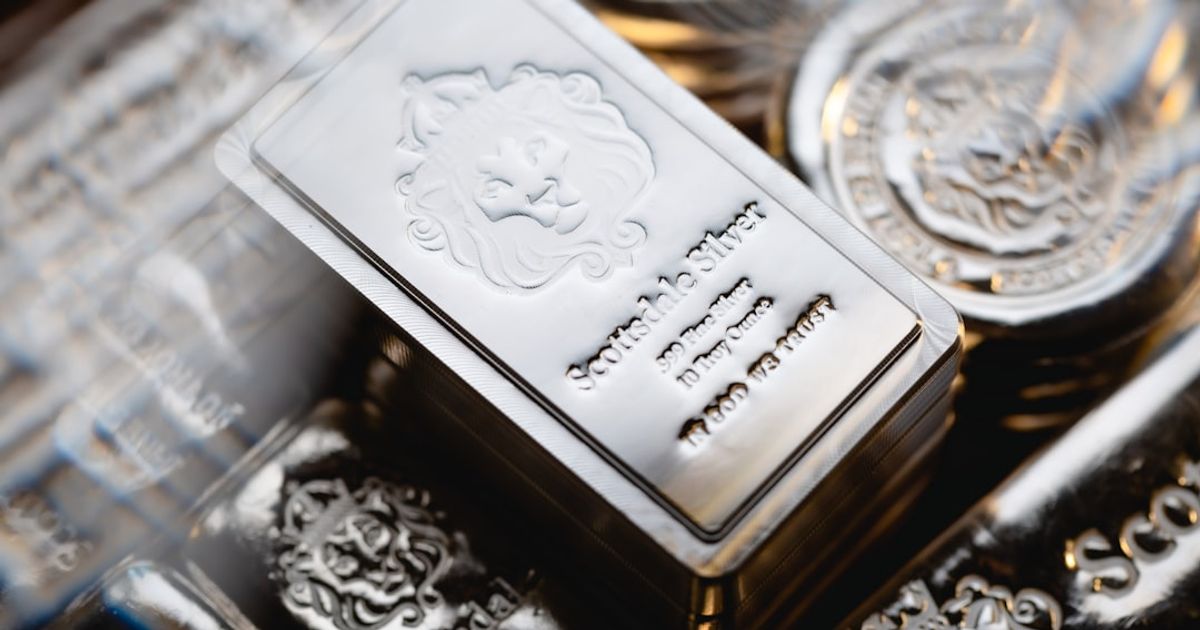
Geopolitical tensions with Iran are driving gold and silver prices higher as investors seek safe-haven assets. The potential for energy supply disruptions amplifies inflation risks.
As the conflict with Iran escalates, gold and silver prices are climbing, reflecting investor anxiety over energy supply disruptions. Oil prices have surged amid fears that the Strait of Hormuz, a critical artery for global oil shipments, could face interruptions. This heightened geopolitical risk is pushing traders to seek refuge in precious metals, causing a rebound in prices.
The U.S. government's rapid response, including the potential deployment of the Navy to escort tankers and offering political-risk insurance for commercial vessels, underscores the strategic importance of the Strait of Hormuz. This narrow passage carries roughly 20% of the world's oil shipments, and any conflict-related disruption could exacerbate inflation and destabilize financial markets. The ramifications of these developments are profound, as the very foundation of global oil supply hangs in the balance.
In recent reports, oil prices climbed significantly as investors increasingly worry that the conflict with Iran could drag on, threatening global energy supply. The ongoing fighting in the region has already rattled markets, leading traders to price in the possibility of prolonged disruptions to shipping and energy infrastructure. Against this backdrop, gold recently climbed to $5,143, while silver outpaced it at $83.44, indicating a robust demand for safe-haven assets. The uptick in precious metal prices is not merely a reaction to immediate events; it reflects deeper structural factors, including ongoing supply deficits in silver and rising industrial demand, particularly from sectors reliant on the metal.
The Silver Institute estimates that the market could face a shortfall of 67 million ounces this year, highlighting the persistent tightness in supply. Even as geopolitical tensions continue, the implications for inflation and market stability are significant, making the performance of gold and silver critical to watch in the coming months. The market's response has been swift, showcasing how investors are continuously adapting to new information and conditions.
As crude oil prices continue to rise, the potential for higher fuel costs looms large. Renewed inflation pressure is expected to have a cascading effect on consumer and business spending, which in turn could create a cycle of economic uncertainty. When inflation rises, purchasing power diminishes, and the cost of living increases, leading to a more cautious approach from consumers and investors alike.
Gold and silver have historically been viewed as safe havens during times of geopolitical instability. Their status as defensive assets becomes more pronounced during crises like the current conflict with Iran. Analysts suggest that the recent rebound in precious metals highlights their resilience, despite the short-term volatility that often accompanies market fluctuations. The sentiment towards these commodities remains constructive, as even brief pullbacks in prices are drawing buyers back into the market, reinforcing the broader demand narrative for safe-haven assets.
Moreover, the global silver market is on track for its sixth consecutive supply deficit in 2026, a trend that signals deepening structural tightness. This persistent supply shortage is fueled by silver's dual role as both a monetary and industrial metal. Sectors such as solar energy, electric vehicles (EVs), and electronics have a significant reliance on silver, which is not slowing down anytime soon. The dual demand from both investors and industries creates a unique dynamic that supports higher prices for silver.
Investor interest in silver remains robust, as evidenced by global exchange-traded product (ETP) holdings standing at approximately 1.31 billion ounces. This figure suggests steady accumulation rather than a speculative spike, indicating a long-term bullish sentiment toward silver. As industrial applications for silver continue to expand, the metal's price is likely to see upward pressure, particularly as supply struggles to keep pace with growing demand.
The implications of the Iran conflict extend beyond just the immediate market reactions. The potential for prolonged geopolitical tensions has broader economic ramifications. With oil prices already surging, the fear of a wider conflict could lead to increased costs across various sectors. Higher energy prices historically amplify inflation fears — a backdrop that consistently benefits gold and silver. As these metals are often viewed as a hedge against inflation, their performance in the current climate is a critical point for investors to monitor.
BofA Warns of Stock Valuation Snapback Amid AI Boom — Gold Stays Low
BofA foresees a stock valuation correction amid AI exuberance, with gold down 3% YTD.
On a more localized front, there are emerging trends that could influence consumer behavior and, consequently, the broader economy. For example, tax season is underway, but many Americans are discovering their refunds are smaller than expected. Early IRS figures indicate that refund checks are coming in lower for some households, partly due to changes in withholding and tax credits. Historically, tax refunds inject billions of dollars into household budgets, often fueling a wave of spending on travel, electronics, home improvements, and debt repayment. If refunds are smaller this year, the spring spending bump could be weaker than usual.
For investors, this situation is worth watching closely because consumer spending constitutes roughly two-thirds of U.S. economic activity. A softer tax-refund season doesn’t necessarily signal trouble ahead; however, it does suggest that households may be feeling a bit more financially stretched than anticipated. This could lead to a more cautious approach to spending, further influencing economic dynamics as consumers adjust to their financial realities.
As the market navigates these turbulent waters, one thing remains clear: gold and silver are more than just commodities; they are barometers of economic and geopolitical stability. Their prices will continue to be influenced by a complex interplay of factors, including energy supply concerns, inflationary pressures, and changing consumer behavior.
As tensions in the Middle East persist, the potential for a wider conflict looms ever larger. Geopolitical crises have a way of moving rapidly, and what may begin as a regional standoff can quickly escalate, translating into higher fuel costs and renewed inflation pressures. The stakes are incredibly high, and the global economy is keenly attuned to developments in the region. Traders and investors alike are closely monitoring the situation, adjusting their strategies and portfolios in response to the news and the evolving landscape.
The importance of the Strait of Hormuz cannot be overstated. With the U.S. Navy potentially escorting tankers through this vital waterway, the strategic significance of this region is made abundantly clear. It is not just an energy route; it is a linchpin of global trade, and any disruptions could have far-reaching consequences. The U.S. administration's efforts to safeguard the flow of oil highlight the critical nature of this passage and the lengths to which countries will go to protect their economic interests.
With gold prices recently climbing to $5,143 and silver reaching $83.44, the renewed appetite for defensive assets reflects a broader trend among investors seeking safety amid uncertainty. The dynamics at play in the gold and silver markets are indicative of a larger narrative concerning global economic health and geopolitical stability. As the situation unfolds, the performance of these precious metals will be an essential indicator of market sentiment and investor behavior.
In light of these developments, it is crucial for investors to stay informed and vigilant. The interplay between geopolitical tensions, energy supply dynamics, and economic indicators will continue to shape the landscape for gold and silver prices. As we move forward, the performance of these metals will be critical to watch, serving as a reflection of both investor sentiment and the broader economic environment.
The ongoing conflict with Iran, the strategic importance of the Strait of Hormuz, and the structural supply deficits in silver paint a complex picture for the future of precious metals. As both gold and silver continue to respond to these pressures, their roles as safe-haven assets will likely be tested further in the coming months. Investors are advised to approach the market with a keen eye, ready to adapt to the unfolding situations and their implications for asset prices and market stability.