Fed's Goolsbee Expresses Rising Concerns Over Inflation Amid Geopolitical Tensions
 By John Nada·Mar 23, 2026·4 min read
Fed President Austan Goolsbee raises inflation concerns amid Middle East tensions, impacting market expectations for interest rates.
Chicago Federal Reserve President Austan Goolsbee said Monday that he's more worried about inflation now than he is unemployment, even with apparent progress made on the war with Iran. In a CNBC interview, the central banker noted that policymaking is particularly challenging in the current environment, given the geopolitical uncertainty arising from Middle Eastern tensions. He spoke shortly after President Donald Trump announced that progress had been made in negotiations with Iran, including a temporary halt on further attacks on energy infrastructure for five days as talks continue.
Goolsbee emphasized the importance of understanding the complexities of the ongoing situation, remarking, "The most important thing is to figure out the through-line of what is happening." He elaborated that the volatility in the region contributes to a fraught atmosphere, stating, "What makes this a fraught but intense moment is nobody can tell us what is going to happen on the ground in the conflict in the Middle East, and how long that lasts."
His comments come at a time when the Federal Open Market Committee (FOMC) is navigating a delicate balance between addressing inflation and managing economic growth. Goolsbee had previously dissented on a rate cut in December and expressed agreement with the majority to maintain short-term rates steady during the January and March meetings of the FOMC. Although he is not a voting member of the FOMC this year, he will regain his voting rights in the next cycle, which adds weight to his observations.
Following the recent developments in the Middle East, market reactions were swift and volatile. Traders, responding to the war news, increased their bets on a potential rate hike by the end of the year while still holding onto expectations for a rate cut in 2027. This market behavior highlights the sensitivity of investors to macroeconomic signals and geopolitical changes. Stocks experienced a spike higher, while oil prices saw a notable decline, reflecting the dynamic interplay of global events on local markets.
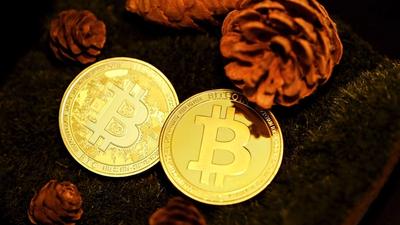
Bitcoin Holds $62K as Panic Selling Wanes Amid ETF Inflows
Bitcoin remains above $62K as panic selling subsides and ETF inflows resume.
Despite a majority of FOMC officials indicating expectations for rate cuts later this year, Goolsbee's perspective stands out due to his cautious approach regarding inflation. He warned against repeating what he termed the "transitory mistake" of 2021, when the Fed underestimated the severity and persistence of inflation pressures. "I remain fairly optimistic that by the end of '26 rates could go down, but I wanted to see proof that we're back on an inflation headed to 2%," he said, underscoring that the current geopolitical tensions could complicate those plans.
Goolsbee's insights serve as a critical reminder that inflation remains a primary concern for the Fed, particularly in light of external factors such as the ongoing conflict in the Middle East. The interplay between inflation, market volatility, and geopolitical events creates a complex environment for monetary policy decisions. As Goolsbee prepares for future FOMC meetings, his focus on inflation will be pivotal in shaping the central bank's strategies going forward.
Moreover, the Fed's approach to inflation control is crucial not just for the domestic economy but also for global financial stability. The interrelatedness of economies means that decisions made by the Fed can have far-reaching implications. Goolsbee's comments reflect an understanding of this interconnectedness, as he navigates the challenges posed by both domestic economic indicators and international geopolitical shifts.
As investors and policymakers alike keep a close eye on these developments, Goolsbee's cautionary stance on inflation will likely resonate through the upcoming FOMC meetings. The ongoing conflicts and their potential impacts on energy prices, consumer spending, and overall economic sentiment will be significant factors influencing the Fed's monetary policy trajectory.
The central bank's ability to respond effectively to inflationary pressures while considering the potential fallout from geopolitical tensions will be critical in maintaining economic stability. Goolsbee's emphasis on the need for careful assessment as the situation evolves reflects the Fed's commitment to a data-driven approach in its decision-making processes.