BofA Warns of Stock Valuation Snapback Amid AI Boom — Gold Stays Low
 By John Nada·Jul 7, 2026·2 min read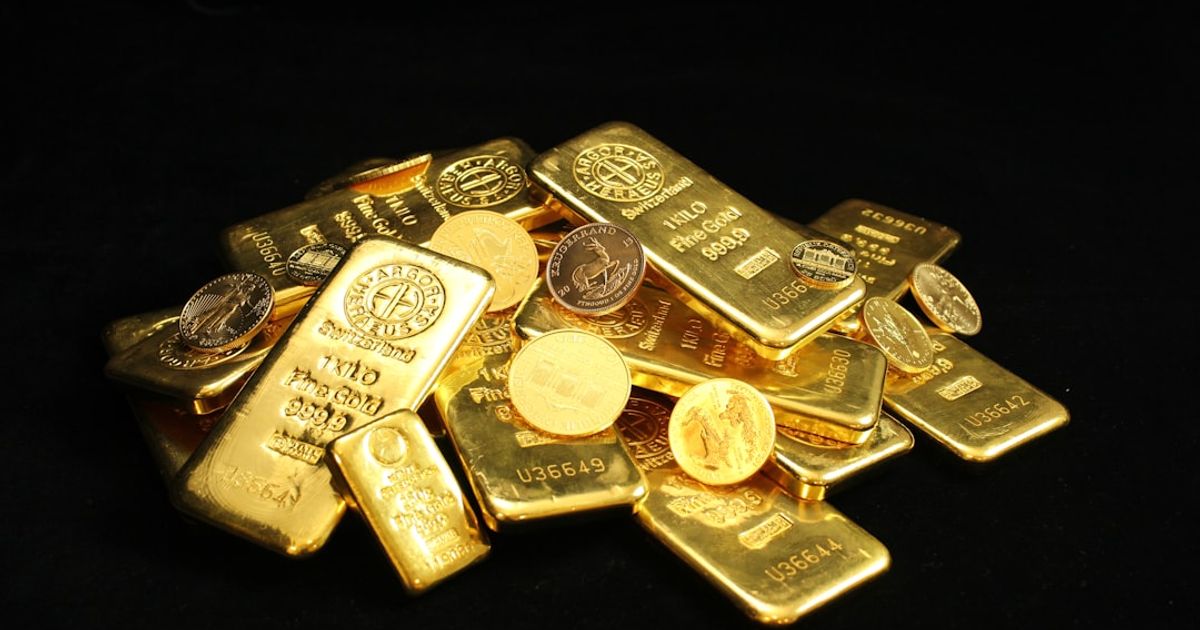
BofA foresees a stock valuation correction amid AI exuberance, with gold down 3% YTD. The 1999 echo looms.
Bank of America has sounded the alarm: "Our bear market signposts suggest speculation is hitting extreme levels," warned Savita Subramanian. This sentiment from July 5, 2026, argues that the S&P 500's current trajectory, despite being up 9% this year, might face a correction by year-end as high-multiple stocks reach unsustainable levels.
As U.S. equities rocket, gold lingers near $4,160, down 3% year-to-date, according to GoldSilver.com. The Federal Reserve's hawkish stance, holding rates steady at 3.50–3.75% with potential hikes still in play, creates headwinds for gold, traditionally seen as a non-yielding asset.
Recent history echoes the dot-com era's crescendo in 1999, where exuberance in tech stocks left gold overlooked. Back then, gold lay dormant as tech surged — until the bubble burst, triggering a renaissance for the precious metal. From its 1999 low of $252, gold spiraled to $1,921 by 2011.
Today, AI-driven gains, like Micron Technology’s staggering 242% rise, and upcoming major IPOs, such as SK Hynix on Nasdaq, draw attention from traditional stores of value. Yet, experts maintain that gold's structural allure remains untainted by ephemeral tech crashes.
Amidst this melee, the gold-to-silver ratio's reduction from 72 to 67 hints at industrial buyers anticipating potential policy easing. Silver gained 6.7% in early July against gold's modest 2.3% rise, highlighting how industrial demand can pivot the precious metal landscape.
With fiscal challenges and a divided Federal Reserve straddling inflation control and recession fears, these structural forces ensure gold's role isn't obsolete. Though overshadowed by AI's dazzle, the precious metal continues to represent insurance — cheaper when least in demand.
The FOMC's minutes release on July 8, 2026, will further clarify potential rate changes, impacting gold's trajectory. A hawkish stance might pressure gold prices, while a dovish tone could revive them past $4,200, offering a historical echo: in 1999, gold was dismissed. It rallied nonetheless. Today is different, but the fundamental mechanism remains timeless.