
BlackRock Eyes Inflation as U.S.-Iran Tensions Threaten Energy Markets
 By John Nada·Jun 9, 2026·3 min read
BlackRock warns of inflation risks tied to U.S.-Iran tensions. Economists see a sharp CPI rise, pressuring Bitcoin as markets await potential Fed moves.
BlackRock is closely watching the upcoming May U.S. inflation report as a critical indicator of how ongoing U.S.-Iran tensions are influencing already elevated price levels in the economy. According to BlackRock Investment Institute, this report is seen as an early test to understand the impact of the Mideast conflict on the economic landscape, particularly through the lens of energy shocks.
The U.S. consumer price index (CPI) for May, scheduled for release on Wednesday at 08:30 am ET, is expected to provide crucial insights. Economists polled by Reuters forecast a 4.2% year-on-year increase, marking the sharpest rise since April 2023. This expected acceleration underscores the persistent challenge of inflation remaining stubbornly above the Federal Reserve's 2% target, a situation that could shift the Federal Reserve's stance from rate cuts to potential hikes.
A significant concern is the potential for a prolonged closure of the Strait of Hormuz, a critical chokepoint for global oil transportation. BlackRock warns that such a disruption could push U.S. oil inventories down to their lowest levels in four decades, adding further pressure to the already volatile energy markets. The possibility of this closure extending into July is a scenario that could highlight the full impact of the energy shock on inflation dynamics.
AI Propels Corning — Amazon Alliance Fuels Stock Surge
Corning's AI deal with Amazon boosts stock, but sustainability remains questioned amid economic uncertainties.
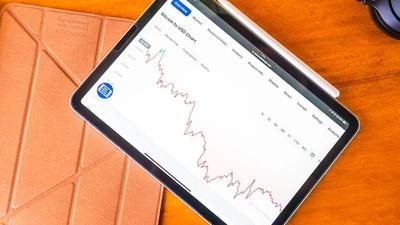
The interplay between geopolitical tensions and economic indicators is creating a complex environment for investors. The rising inflation rates, driven in part by energy shocks, are reinforcing the prospect of higher borrowing costs. This, in turn, tends to dissuade investment in riskier assets, including cryptocurrencies. Bitcoin, for instance, has already felt the pressure, plummeting nearly 14% last week to below $60,000 as investors brace for a hawkish shift in the Federal Reserve's policy.
The geopolitical tensions between the U.S. and Iran are not only affecting energy markets but are also raising broader questions about market resilience. The interconnectedness of geopolitical events and economic health is becoming increasingly evident. As the energy sector grapples with these disruptions, the ripple effects are likely to be felt across global markets, reminding investors of the complex web of factors influencing economic stability.
BlackRock's focus on inflation and the energy market highlights the intricate challenges facing policymakers and investors alike. The anticipated CPI report will be more than just a set of numbers; it will be a reflection of how global tensions are feeding into domestic economic conditions. This dynamic is a reminder of the delicate balance central banks must maintain between fostering economic growth and controlling inflation.
As the situation unfolds, market participants are closely monitoring how these inflationary pressures will influence the Federal Reserve's decision-making process. The potential shift from expected rate cuts to hikes could have significant implications for various asset classes, particularly those considered riskier, such as cryptocurrencies and tech stocks. The broader market sentiment is becoming more cautious as these developments unfold, with investors seeking to navigate the uncertainties posed by geopolitical tensions and their impact on the economic landscape.