Bitcoin Tumbles Below $80K — US Bond Market Shakes Risk Assets
 By John Nada·May 17, 2026·4 min read
Bitcoin fell below $80K as U.S. bond yields rose, rattling risk assets. Traders brace for new lows amid increasing market instability.
Bitcoin slipped under the $80,000 mark as the U.S. bond market's turmoil sent ripples through risk assets. This significant movement in Bitcoin’s price came as Wall Street opened on Friday, signaling a challenging period for the cryptocurrency. Analysts attribute the downturn to rising U.S. 10-year Treasury yields, which have unsettled investor confidence and pushed stocks off their recent highs.
The situation is reminiscent of past market tremors, particularly those seen in May 2025 when trade tariffs on China were paused due to similar bond market volatility. The Kobeissi Letter highlighted the intensifying bond market crisis, noting that U.S. 10Y Note Yield now exceeds 4.55%, a level not witnessed since the tariff pause. This marks a critical threshold that has historically indicated market instability.
Traders are now closely monitoring Bitcoin for potential new local lows against the USD, as current support levels appear increasingly unstable. Bitcoin's retracement towards its lowest levels this month reflects the broader risk-off sentiment that has characterized markets recently. The S&P 500, which had previously achieved new all-time highs, also saw a pullback as risk-asset euphoria turned sour.
The rise in U.S. 10-year treasury yields has broader implications, extending beyond the cryptocurrency market. According to CME Group’s FedWatch Tool, the probability of a Federal Reserve interest rate hike has now risen above 60%. Such a move could lead to higher borrowing costs, with potential ramifications for consumer loans, including mortgages and auto loans.
The context of rising yields is essential for understanding the current market environment. U.S. 10-year treasury yields have surpassed levels last seen in April 2025, a period marked by significant economic adjustments, including the halting of trade tariffs. These yields are often regarded as a barometer for broader economic sentiment, influencing everything from stock valuations to currency markets.
As Bitcoin mirrors these macroeconomic shifts, it becomes a focal point for traders who are assessing whether this is a temporary market adjustment or indicative of a more prolonged downturn. The trading resource, The Kobeissi Letter, has consistently warned of the unsustainable nature of the current bond market situation, emphasizing the potential for further disruptions.
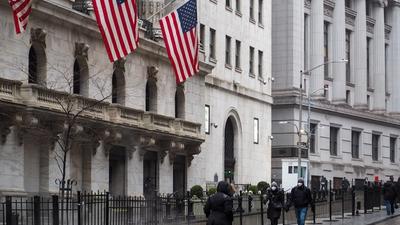
Banks Set Stage—Big Earnings and Inflation Data Loom
Q2 earnings kickoff sees banks and tech giants under the spotlight.
In the cryptocurrency community, traders are taking varied stances on the future trajectory of Bitcoin. Well-followed trader Pat expressed concerns on social media platform X, noting that Bitcoin's full retracement from previous gains signals ongoing instability. Eric Coleman, another analyst, suggested that Bitcoin might remain rangebound, moving between established support and resistance levels until a significant breakout or breakdown occurs.
The market's reaction to these developments is not isolated to Bitcoin alone. Broader market indices, such as the S&P 500, have exhibited similar patterns, with gains being wiped out amid the rise in bond yields. This correlation underscores the interconnectedness of global financial markets and the impact of macroeconomic factors on various asset classes.
Investors are now questioning the sustainability of recent market highs and whether the current bond market dynamics will lead to further adjustments. The possibility of a Federal Reserve rate hike adds another layer of complexity, as higher rates could dampen economic growth and increase borrowing costs, affecting both corporate and consumer spending.
Amidst these challenges, Bitcoin traders continue to keep a close watch on support levels and potential price targets. With the cryptocurrency approaching its lowest levels in May so far, the market's attention is focused on whether Bitcoin can stabilize or if further declines are imminent.
The interplay between bond yields and Bitcoin prices highlights the broader economic forces at play. As investors navigate this complex landscape, they are reminded of the inherent volatility in both traditional and digital markets. The current situation serves as a stark reminder of the risks associated with investing in risk assets, particularly during periods of economic uncertainty.
Ultimately, Bitcoin's trajectory will be shaped by a combination of macroeconomic factors, market sentiment, and technical indicators. As traders and investors assess these variables, they remain vigilant in their pursuit of opportunities amid the ongoing market turbulence.