Bitcoin Surges to $64,800 — Cooling U.S. Inflation Deflates Rate Hike Odds
 By John Nada·Jul 15, 2026·4 min read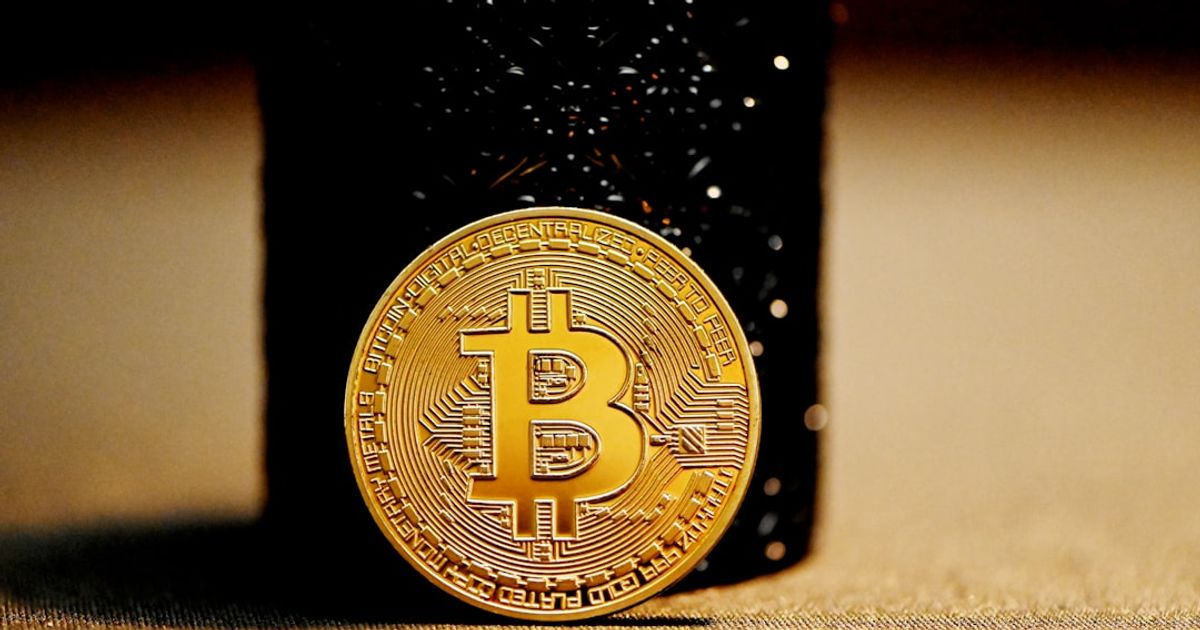
Bitcoin leaps to $64,800 as U.S. inflation eases, slashing Fed rate hike odds. Risk assets rally as traders pivot.
Bitcoin soared by about 3.6% to nearly $64,800 as U.S. inflation figures came in lower than anticipated, decimating the chances of a rate hike by the Federal Reserve in the near term. June's headline inflation dropped to 3.5%, with core inflation easing to 2.6%, sending traders scrambling back into risk assets like cryptocurrencies and global equities. This shift came as the strongest case for another Fed rate hike—a stubbornly high inflation—began to crumble.
The significant decline in inflation figures not only eased the pressure on the Federal Reserve to increase interest rates but also reinvigorated the crypto market, which had been languishing under the weight of potential monetary tightening. Analysts see this as an immediate relief for investors, reducing the downside pressure that had been building in the market. With the odds of a rate increase plummeting from 43% to a mere 13%, the two-year Treasury yield also saw a significant drop of six basis points.
Bitcoin's ascent marked its strongest session in weeks, thrusting it back into the spotlight as traders ditched bets on an imminent central bank move. The broader crypto market mirrored this enthusiasm. Ethereum stood out, reaching nearly $1,880, up 5.3% in a day. Hyperliquid's HYPE gained 6.4% to $67, XRP added 3.7% to $1.10, Solana rose 3.6% to $78, dogecoin climbed 2.9%, and BNB added 1.9% to $579. This rally underscored a broader market trend favoring riskier assets amid cooling inflation fears.
The backdrop for this surge is rooted in the dynamics of interest rates and risk assets. High interest rates traditionally deter investors from assets like Bitcoin, as they offer little yield compared to the stable returns of cash and bonds. However, with inflation cooling, the Fed's grip loosens, allowing risk appetites to swell once more. The crypto market is particularly sensitive to interest-rate expectations, as evidenced by the swift reaction to the latest inflation data.

SK Hynix Options Debut Fizzles Amid ETF Frenzy — 150,000 Contracts Traded
SK Hynix options stumble with 150,000 trades amid ETF frenzy, overshadowed by $23B DRAM ETF.
Meanwhile, geopolitical tensions added another layer of complexity to the economic outlook. Brent crude advanced 1% to above $85 a barrel, marking a third consecutive day of gains. This increase was driven by President Trump's threats against Iran and the U.S.'s strategic moves in the Strait of Hormuz, which fueled a three-day surge in oil prices. The geopolitical landscape, therefore, remains a crucial factor influencing market dynamics alongside economic indicators.
In the equities realm, gains echoed crypto's jubilance. MSCI's Asia Pacific gauge climbed 2.3% with a notable leap in South Korea's Kospi, which surged 8.2%. This momentum was partly buoyed by SK Hynix's remarkable performance in Seoul, where its shares rose 13% after its American depositary receipts surged 27%. The equities market, much like the crypto market, responded positively to the reduced likelihood of an immediate rate hike by the Federal Reserve.
Jeff Ko, chief analyst at CoinEx, noted that while Bitcoin's susceptibility to rate expectations remains a factor, the next true test looms at the September FOMC meeting. The crypto market watches closely not just the actions of the Fed but also the sustainability of Bitcoin ETF flows. Core inflation, although reduced, remains above the Fed's 2% target, indicating that while the current data buys the central bank room to hold rates steady, it does not necessarily provide a reason to cut them.
The dynamics of the crypto market are closely intertwined with macroeconomic factors such as interest rates and inflation. Bitcoin, as a rate-sensitive asset, continues to dance to the Fed's tune, but for now, it sways in favor of the bulls. This period of respite for risk assets is contingent on the continued moderation of inflation and the Fed's subsequent policy decisions.
As the market looks forward, the sustainability of these gains will likely depend on several factors: the continuation of cooling inflation, geopolitical developments, and the potential for sustained inflows into Bitcoin ETFs. These elements will play a crucial role in shaping the crypto market's trajectory in the months ahead. With the next major test set for the September FOMC meeting, investors will be keenly watching for any signals from the Federal Reserve regarding future monetary policy.