
Bitcoin Market Dynamics Shift: A New Era Beyond October's Turmoil
 By John Nada·Dec 23, 2025·3 min read
Bitcoin's market has transformed since October, with less leverage and liquidity, prompting traders to rethink strategies as regulatory clarity looms.
In the wake of a tumultuous October that sent shockwaves through the cryptocurrency landscape, Bitcoin is currently navigating a markedly different market. The digital asset, which briefly flirted with the $90,000 threshold just a few months prior, has found itself languishing in the mid $80,000s. Traders are expressing a palpable sense that 'something broke,' signaling a fundamental shift in the market's dynamics. This sentiment stems from drastic liquidity changes and a pronounced reduction in leverage that have dramatically altered trading behaviors.
A closer examination of market conditions reveals less speculative trading activity than previously witnessed. A significant contributor to this evolution is the reduced availability of leveraged positions. After October's liquidation events, where over $1 billion in Bitcoin margins were wiped out, many traders are now opting for more conservative strategies. Consequently, the volume of trades has become thinner, hinting at a market more cautious and reluctant to engage in risky bets. This shift not only affects individual traders but has broader implications for institutional involvement, particularly from exchange-traded funds (ETFs).
Institutional investment plays a crucial role in shaping market trends, and the current atmosphere is less inviting for such entities. ETFs, which have been a major driver of Bitcoin's recent price surges, are displaying weaker bids, reflecting a cautious stance among institutional investors. With volatility heightened and regulatory scrutiny intensifying post-October, large-scale investors are likely reassessing their entry points into the cryptocurrency market. This hesitation could persist as firms await clearer regulatory frameworks, which remain a focus of discussion in the global financial landscape.
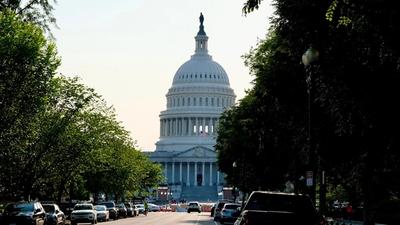
U.S. Targets 1 Million BTC — Strategic Reserve Shifts Security
328,372 BTC fuels U.
Data indicates that Bitcoin’s market cap fluctuated around $1.5 trillion in early December, which is a significant drop from the peak earlier in the year. Volume metrics reveal a marked decrease, with trading volumes averaging around $20 billion per day compared to the higher ranges seen in the bullish phases. This erosion of liquidity could create challenges in future price movements, as it limits the market's ability to absorb sell-offs without sharp declines. Investors will need to be cognizant of these evolving dynamics, particularly as we approach the end of the fiscal year and potential tax ramifications.
Despite these hurdles, some analysts argue that the current state of the market may set the stage for a new growth cycle. The decreasing leverage and liquidity could act as a stabilizing force in the long term, fostering a more mature trading environment. Historical context suggests that after periods of heightened volatility, markets often recalibrate, leading to sustained growth phases. In the case of Bitcoin, this could mean gathering steam as institutional players become more comfortable navigating the regulatory landscape.
Looking ahead, the market's trajectory will heavily depend on the regulatory developments and the pace at which liquidity returns. The impending decisions by regulatory bodies, particularly in the U.S. regarding Bitcoin ETFs and compliance frameworks, will be critical in shaping market sentiment. As history has shown, regulatory clarity can either bolster investor confidence or exacerbate market uncertainty. With several applications pending and industry sources indicating an increasing push for clarity, the outcome of these discussions may prove pivotal.
As traders reflect on the past few months, the focus will inevitably shift to where the market goes from here. The psychology of the market has shifted; participants are not just looking at price but weighing the broader implications of their positions. The upcoming weeks will be critical as traders and investors alike adjust to this new reality. With the holiday season approaching, markets may experience seasonal fluctuations, but the underlying sentiment suggests that adaptability and caution will be at the forefront of trading strategies moving forward.