
Bitcoin, Gold, Silver Tumble — Fed's Hawkish Stance Shakes Debasement Trade
 By John Nada·Jun 27, 2026·5 min read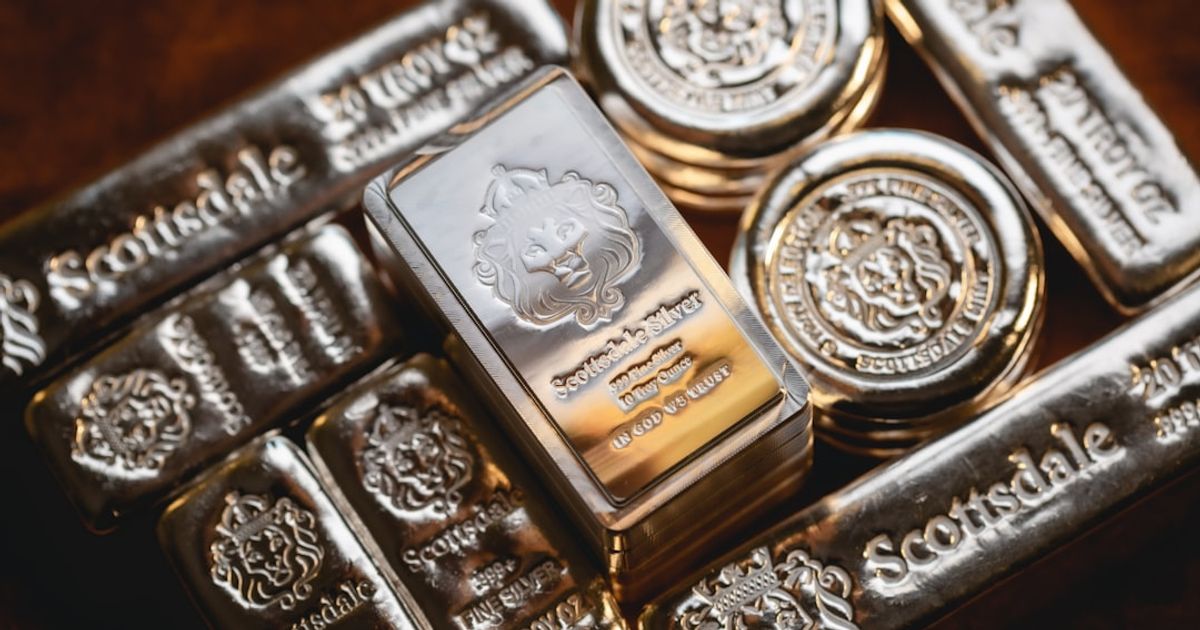
Bitcoin, gold, and silver plummet as the Fed's hawkish tone impacts the debasement trade. The stronger dollar further weighs on these assets.
A broad unwinding of the so-called debasement trade is hitting gold, silver, and Bitcoin all at once, as investors retreat from scarce assets once seen as protection against currency erosion. This synchronized selloff marks a pivotal moment in the financial markets, driven largely by a newly hawkish Federal Reserve, under the leadership of Chair Kevin Warsh, and a stronger U.S. dollar. These forces are lifting real yields, making non-yielding assets like gold, silver, and Bitcoin less attractive and more expensive for foreign buyers, thus reshaping investment strategies globally.
Bitcoin’s value has plummeted by about 50% from its peak, a significant downturn that has caught many investors by surprise. Similarly, gold and silver are also experiencing notable declines. Gold recently dropped below $4,000 for the first time since November, marking a significant psychological barrier and a key technical level. Silver, on the other hand, has seen its value cut by more than half from its high, according to CoinDesk. This downturn in precious metals, traditionally seen as safe havens, highlights the shifting dynamics in the financial landscape.
The synchronized nature of this selloff raises important questions about the underlying causes. At the heart of this is the Federal Reserve's hawkish stance. Under Chair Kevin Warsh, the Fed has signaled intentions to raise interest rates, with markets now pricing in two quarter-point rate hikes by March 2027. This would lift the Fed's benchmark rate to between 4.00% and 4.25%, levels not seen in recent years. Higher interest rates increase the cost of borrowing and holding assets that do not yield any interest, such as gold, silver, and Bitcoin, making them less appealing to investors seeking returns.
The stronger U.S. dollar further compounds these challenges. As the dollar strengthens—it has climbed 0.8% this week alone—it makes dollar-denominated assets more expensive for buyers using other currencies. This dynamic directly works against hard assets like gold, silver, and Bitcoin, which are traditionally viewed as hedges against currency depreciation and inflation. A stronger dollar diminishes the allure of these assets by increasing their cost in foreign markets, thereby reducing demand.
Bitcoin’s position in this debasement trade narrative is particularly intriguing. Historically, Bitcoin has been marketed as a digital version of gold, with a capped supply of 21 million coins, making it an attractive option for those concerned about currency debasement. However, Bitcoin's trajectory has diverged from traditional metals at times. For instance, throughout much of 2025, while gold and silver experienced substantial rallies, Bitcoin remained relatively stagnant near $100,000. This divergence raised questions about Bitcoin's role in the debasement trade and whether its function as a hedge against currency erosion was waning.
Despite these concerns, Bitcoin still exhibits some resilience. Since February, Bitcoin has outperformed both gold and silver on a relative basis, gaining roughly 30% against gold and more than 55% against silver. This performance underscores Bitcoin's dual role as both a speculative asset and a hard-money hedge, a characteristic that has attracted a diverse range of investors. Yet, the ongoing volatility in Bitcoin's price suggests that it remains closely tied to the fate of gold and silver, both of which have historically been integral to the debasement trade.
Polymarket's $3.1M Hack: A Deepening Crisis Amid Federal Scrutiny
Polymarket hacked for $3.
Compounding the challenges faced by traditional safe-haven assets is the ongoing frenzy surrounding artificial intelligence stocks. This sector has drawn significant capital away from both traditional metals and cryptocurrencies, considered the safest and riskiest assets respectively. The allure of high-growth technology stocks has shifted capital allocation strategies, highlighting the changing dynamics and volatility within the market. This shift indicates a broader trend where investors are increasingly willing to take on more risk in pursuit of higher returns, moving away from traditional safe havens.
The broader economic implications of this shift are significant. As the Federal Reserve maintains its hawkish stance and the dollar remains robust, Bitcoin will likely continue to struggle to decouple from the traditional metals it has long been compared to. This interconnectedness suggests that the debasement trade—a bet that heavy government spending and rising national debt will erode the value of paper money—continues to influence market perceptions and investment decisions.
The debasement trade, which gained prominence as a response to concerns about excessive government spending and rising national debt, has been a driving force behind the demand for gold, silver, and Bitcoin. These assets are perceived as limited in supply and immune to the inflationary pressures that can accompany fiat currency debasement. However, as the narrative shifts with changing economic conditions, the unwinding of this trade underscores the complexities of global financial markets.
Bitcoin's role within this narrative remains complex and multifaceted. It serves as both a speculative risk asset and a hard-money hedge, attracting a wide range of investors with varying motivations. The bull case that once propelled Bitcoin alongside gold and silver as part of the debasement trade has now turned into a bear case, as the same economic forces that once supported it are now contributing to its decline. This dual nature of Bitcoin makes it a unique asset, subject to the whims of market sentiment and macroeconomic trends.
As the Federal Reserve's policies continue to evolve and the global economic landscape shifts, the future trajectory of Bitcoin, gold, and silver remains uncertain. The interplay between interest rates, currency valuations, and investor sentiment will continue to shape the market for these assets. Investors and analysts alike will be closely watching the Fed's next moves and their impact on the broader financial markets.