
Bhutan's Bold Bet: Using Bitcoin for Mindfulness City Without Selling Reserves
 By John Nada·Dec 17, 2025·3 min read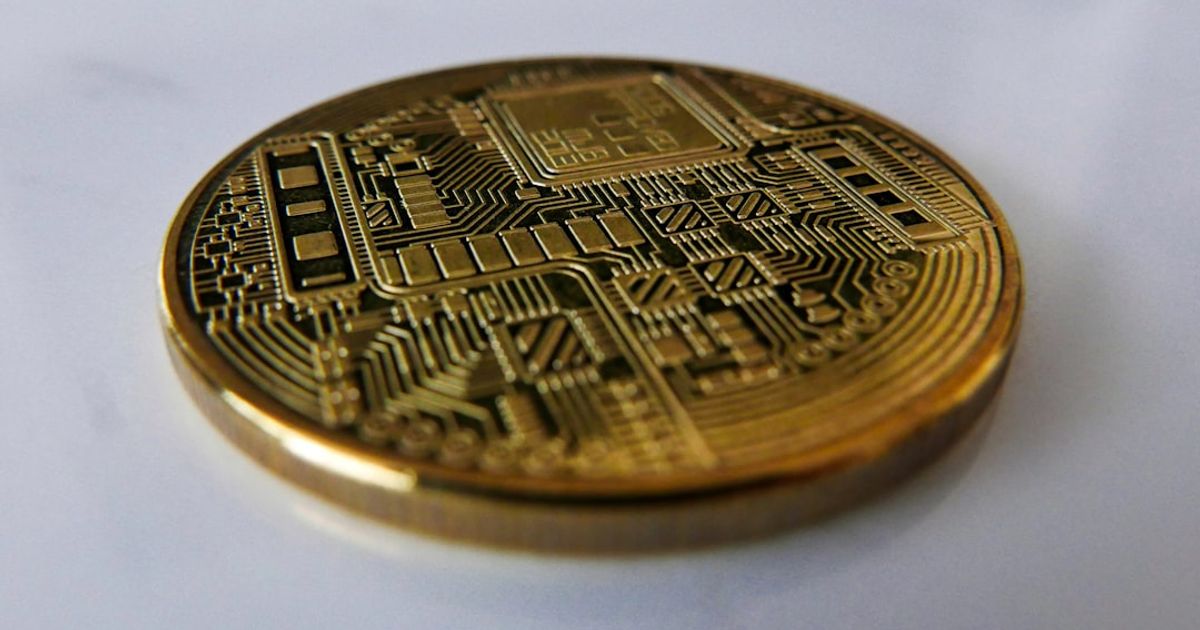
Bhutan’s $1 billion Bitcoin pledge for a Mindfulness City sets a precedent for using crypto in public projects, highlighting the evolving role of digital assets in governance.
In a groundbreaking move that intertwines technology and spirituality, Bhutan has committed to using Bitcoin to fund the construction of its Gelephu Mindfulness City. The Southeast Asian nation plans to leverage up to 10,000 BTC, valued at approximately $1 billion, without liquidating its current reserves. This strategic decision highlights Bhutan's unique position as a leader in integrating Bitcoin into national development while remaining the fifth-largest holder of Bitcoin among governments worldwide.
This ambitious project signals more than just a financial investment; it represents a vision for how digital currency can support innovative urban planning. By adopting collateralized lending and yield strategies, Bhutan intends to finance its infrastructure while preserving its Bitcoin assets. Such a framework could set a compelling precedent for other nations considering similar paths in the crypto space.
Historically, governments' approaches to digital currencies have varied widely. While some have embraced cryptocurrencies, others have imposed strict regulations or outright bans. Bhutan's initiative stands in stark contrast to this trend, showcasing a proactive and thoughtful approach to leveraging Bitcoin as an economic tool. By integrating digital assets into its development strategy, Bhutan not only reinforces its commitment to sustainable growth but also positions itself at the forefront of a potential new wave in governmental finance.
The country is known for its commitment to Gross National Happiness and sustainable development, making the concept of a Mindfulness City particularly fitting. Expected to serve as a hub for wellness and meditation, this project aligns with Bhutan's cultural emphasis on mental well-being. However, building such a city will require careful navigation of financial complexities, especially in a volatile market like cryptocurrency. The fact that Bhutan is not selling its reserves, opting instead to utilize yield strategies, shows a sophisticated understanding of how to balance risk and innovation in the financial realm.
U.S. Targets 1 Million BTC — Strategic Reserve Shifts Security
328,372 BTC fuels U.
Market reactions to Bhutan's Bitcoin pledge have been intriguing. Many experts are curious to see how this move could impact Bitcoin's price stability and volatility in the short and long term. Currently trading around $50,000, Bitcoin’s value can fluctuate wildly, and news of significant investments often affects market sentiment. With major institutional interest already driving prices to record highs, Bhutan's commitment adds another layer of intrigue, raising the question of whether more countries may follow suit.
While this could invigorate demand for Bitcoin, challenges remain. The legal and regulatory landscape is not fully defined, and concerns about environmental impacts from Bitcoin mining continue to persist. Critics argue that the carbon footprint associated with mining could pose risks to Bhutan’s environmentally conscious image. How the government mitigates these challenges will be crucial in determining the success of this Bitcoin initiative and its broader implications for the cryptocurrency market.
Investors are keenly observing this development, as it may signal a shift in how nations utilize digital assets as part of their macroeconomic strategies. Bhutan's approach could inspire other governments to explore innovative financing methods through cryptocurrencies, potentially leading to more widespread acceptance and usage of digital currencies in official channels. As Bhutan embarks on this unprecedented journey, the world watches closely, eager to see if this unique blend of finance and mindfulness will yield the desired results.
With trends like these emerging, the future of cryptocurrency in global finance looks increasingly promising. As nations explore the intersection of digital assets and public policy, we may be witnessing the start of a new paradigm in economic development.