$197M Flows Into Bitcoin ETFs — Institutional Demand Rekindles
 By John Nada·Jul 13, 2026·4 min read
Bitcoin ETFs see $197M inflow, ending 8-week outflow streak. BlackRock leads gains, signaling potential institutional demand recovery.
A net inflow of $197.4 million into US-listed spot Bitcoin exchange-traded funds snapped an eight-week streak of outflows, according to Cointelegraph. This influx primarily came from BlackRock's iShares Bitcoin Trust ETF, which saw $291.9 million pour in, offset by outflows from Grayscale, Fidelity, and ARK 21 Shares funds.
This surge hints at a possible revival of institutional interest in Bitcoin after a prolonged period of selling pressure. The data from Farside Investors suggests that this trend might be an indication of a shift in market sentiment, though analysts urge caution. The inflow, while significant, is a mere fraction compared to the $8.26 billion withdrawn since mid-May. Markus Thielen of 10x Research highlighted ongoing headwinds, citing that significant ETF flows haven't yet materialized despite Bitcoin's recent substantial gains. "There's been a pattern over the past few months where Bitcoin performs better in the first half of the month, then consolidates," Thielen remarked.
While the $197.4 million influx is a promising sign, the market remains cautious. Jamie Coutts from Real Vision suggested that Bitcoin may be nearing the end of its bear market phase, though it's not yet finished. He pointed to easing selling pressures as an indicator that the market could be shifting. But others, like Russell Thompson of Hilbert Capital, believe further downturns could loom, predicting a potential bottom later this year.
The recent inflow into Bitcoin ETFs is particularly noteworthy when considering BlackRock's role in the market. BlackRock's iShares Bitcoin Trust ETF alone attracted $291.9 million, underscoring the asset manager's significant influence in the sector. This strong performance contrasts with the outflows experienced by other major players like Grayscale, Fidelity, and ARK 21 Shares. This divergence highlights varying levels of confidence and strategic positioning among institutional investors.
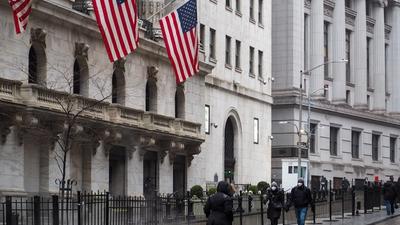
Banks Set Stage—Big Earnings and Inflation Data Loom
Q2 earnings kickoff sees banks and tech giants under the spotlight.
The context of these inflows becomes even more compelling against the backdrop of a broader market environment, where Bitcoin has experienced both volatility and growth spurts. The cryptocurrency's price movements have been marked by a pattern where it tends to perform better in the early part of the month, only to enter a consolidation phase later. This cyclic behavior has been observed by market analysts, including Markus Thielen, who noted that, despite a more than 9% jump in Bitcoin prices, ETF flows have yet to pick up meaningfully.
The caution exhibited by investors is understandable given the substantial outflows that have occurred since mid-May. The $8.26 billion withdrawn during this period dwarfs the recent inflows, suggesting that while there may be signs of renewed interest, the market has yet to see a full-fledged recovery in institutional demand. The potential for further downturns in the market, as suggested by analysts like Russell Thompson, adds another layer of complexity to the current situation.
Ether ETFs mirrored Bitcoin's movements, posting $84.42 million in net inflows, breaking their own eight-week losing streak. Despite this, the inflows were minor compared to the $1.2 billion drained since May. The synchronization of Bitcoin and Ether ETF trends indicates a broader market pattern, where both cryptocurrencies are experiencing similar challenges and opportunities.
The market is watching closely. With summer's end approaching and historical tendencies for August and September's volatility, the next few months could be pivotal for Bitcoin and Ether. Institutional players may be weighing these inflows carefully, considering them in the context of broader economic conditions and previous patterns. The seasonal trends, combined with the current market dynamics, suggest a period of heightened observation and strategic decision-making among investors.
Moreover, the role of major asset managers like BlackRock in driving ETF inflows cannot be understated. Their strategic decisions and market positioning are likely to have ripple effects across the industry, influencing both investor sentiment and market trends. As such, the actions and performance of these institutions will be closely scrutinized in the coming months.